Saigon is one of the world’s great eating cities, and three days of strategic eating will barely scratch the surface, but it will scratch it gloriously. This itinerary maps your meals the way a local food obsessive would: the canon dishes first, then the neighborhood specialties, then the markets and a cooking class so you can take the flavors home. Come hungry and pace yourself.
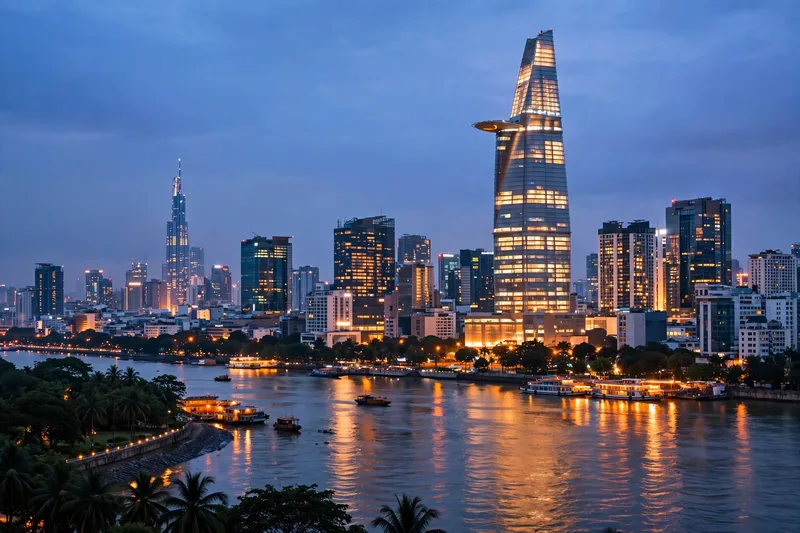
AI illustration
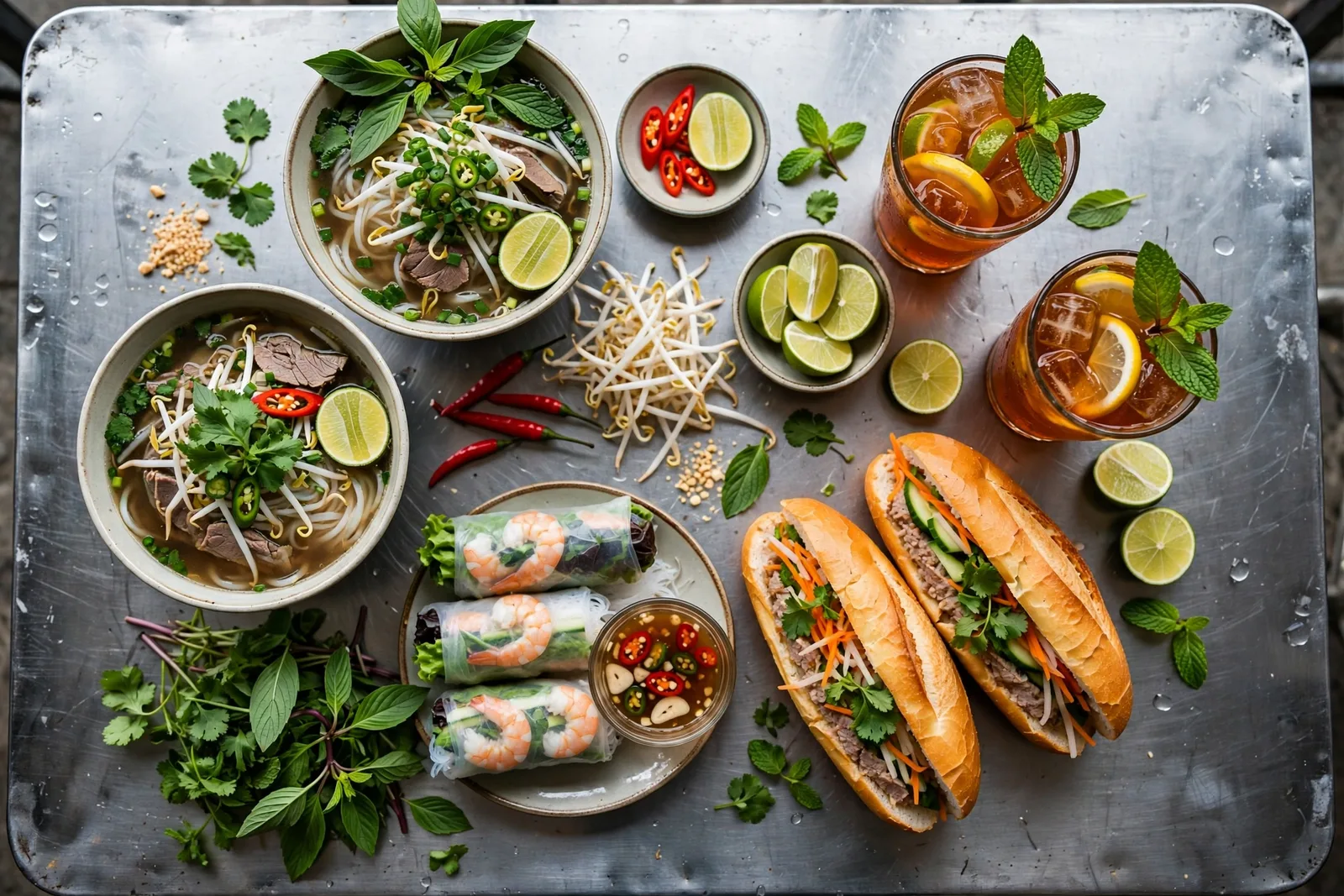
Breakfast is pho, and it should be your first decision of the trip. Find a shop with steaming pots visible from the street and a crowd of locals, order pho bo, beef, or pho ga, chicken, and learn the herb plate ritual in our pho Saigon guide. A superbowl costs 60,000 to 90,000 VND (about $2.40 to $3.60). Follow it with a ca phe sua da at the same shop or next door.
Lunch is banh mi from one of the legendary stalls: crackling baguette, pate, cold cuts, pickled vegetables, and chili, eaten standing up in about four minutes for 25,000 to 45,000 VND (about $1 to $1.80). Spend the afternoon walking it off through the colonial quarter, then take a proper rest. Dinner day one is com tam, broken rice with grilled pork chop, and our com tam guide tells you exactly how to order the full suon bi cha combination.
End the night with che, Vietnamese dessert soup, from a sidewalk vendor: sweet beans, jellies, and coconut cream over shaved ice. Day one covers the four dishes every visitor must try, and you have barely started.
Drink tip: order tra tac, iced kumquat tea, alongside your meals. It is tart, cheap, and cuts the richness of grilled meats perfectly.
Start slow with hu tieu Nam Vang, the Cambodian influenced pork and seafood noodle soup that Saigon does better than anywhere. Our hu tieu guide explains the dry versus soup versions. Midday, cross the canal to District 4’s Vinh Khanh Street, Saigon’s grilled seafood alley, where lunch means oc, sea snails, prepared a dozen ways: grilled with scallion oil, steamed with lemongrass, sauteed in tamarind.
Rest through the heat, then head to Cholon, District 5’s Chinatown, for the evening. The dim sum houses around Chau Van Liem Street steam baskets of ha cao and siu mai from late afternoon, and the old Chinese temples glow with incense. Dinner is banh xeo, the giant sizzling turmeric crepe you wrap in mustard leaves with herbs, eaten with your hands and enormous satisfaction.
Finish with a walk through the Cholon night market, snacking on grilled corn and sugarcane juice. Day two is about neighborhoods, and the flavors change with the streets.
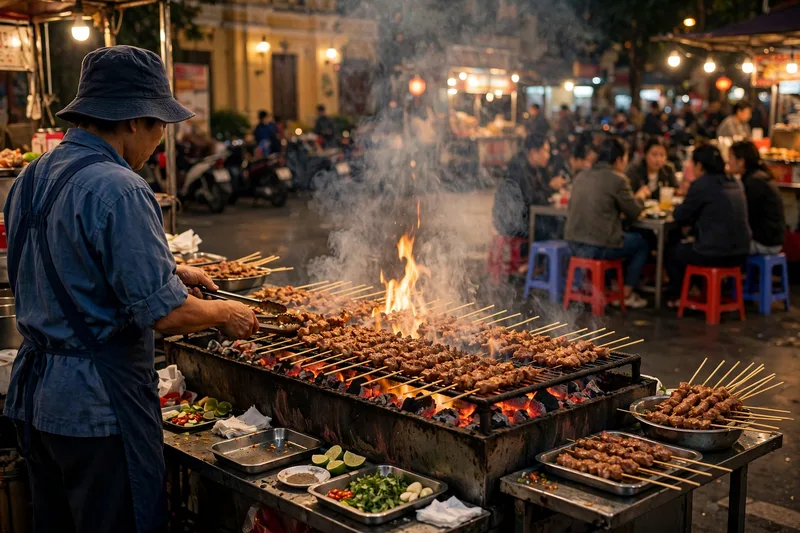
Morning is market day. Start at Ben Thanh’s food section for a grazing breakfast of banh cuon, steamed rice rolls, and fresh fruit, then push deeper to a wet market like Tan Dinh or the Cholon markets, where a good guide explains the herbs, the live seafood, and the cuts of meat you will never see at home. Buy nothing yet, just look, smell, and taste the samples vendors press on you.
Afternoon is cooking class time. The best Saigon classes start with a market tour, then teach four or five dishes hands on: spring rolls you actually roll yourself, pho from real stock, caramelized claypot dishes. Classes run 800,000 to 1,500,000 VND (about $32 to $60) including the market visit and the feast you cook. Book ahead, since the good schools fill up.
The farewell dinner should be your personal favorite rediscovered: the pho shop from day one, the banh xeo spot, or a splurge at a refined Vietnamese restaurant in District 1. Three days, a dozen essential dishes, and one new skill. That is a food trip done right.
Between the market and the class, stop for ca phe trung, egg coffee, at a heritage cafe. The sweet frothy drink is Hanoi’s gift to the south, and Saigon’s versions are excellent fuel for an afternoon of chopping, rolling, and tasting.
The golden rule of a food crawl is strategic skipping. You cannot eat four full meals a day for three days, so treat breakfasts and lunches as tastings: one bowl, one banh mi, shared plates. Save your real appetite for one hero meal per day, and walk between everything. Saigon’s districts are compact enough that a 20 minute walk doubles as digestion.
Hydration matters as much as appetite. Carry water, drink the free iced tea, tra da, that every eatery provides, and pace the sugarcane juice and iced coffees. Our iced coffee guide will keep your cafe orders interesting without overdoing the caffeine.
Dietary notes: vegetarians thrive at the Buddhist chay restaurants, just learn the word chay. Gluten is rare in Vietnamese cooking outside banh mi and wheat noodles. And if your stomach protests on day two, plain chao, rice porridge, from any street stall resets everything.
One more rule: never skip the herbs. The plates of basil, mint, perilla, and lettuce that arrive with every noodle dish are not decoration. Wrap, stuff, and pile them on. They are the difference between eating Vietnamese food and understanding it.
Street meals run 40,000 to 100,000 VND each. Three days of enthusiastic eating totals 2,000,000 to 4,000,000 VND including a cooking class.
Choose busy stalls with high turnover and freshly cooked food. Start gently on day one while your stomach adjusts.
You will eat well. Buddhist chay restaurants are everywhere, especially good around the full moon, and most noodle soups have vegetarian versions.
Solo works with this itinerary, but one guided street food tour on the first night accelerates everything: you learn ordering, etiquette, and the best stalls fast.
 Keep exploring
A three day route pairing downtown Saigon with Vung Tau and Ho Tram beaches. City culture, sea swims, and fresh seafood
 Keep exploring
Pack the best of Saigon into 48 hours: one day downtown, then choose the Cu Chi tunnels or the Can Gio mangrove forest f
 Keep exploring
A tight one day Saigon itinerary: colonial landmarks in the morning, markets and lunch midday, history and skyline in th
