Ho Chi Minh City has a forest, a city, and a sea, and Can Gio is the forest. This UNESCO biosphere reserve of mangrove waterways sits 50 km from District 1 and makes one of the best day trips in the region.
AI illustration
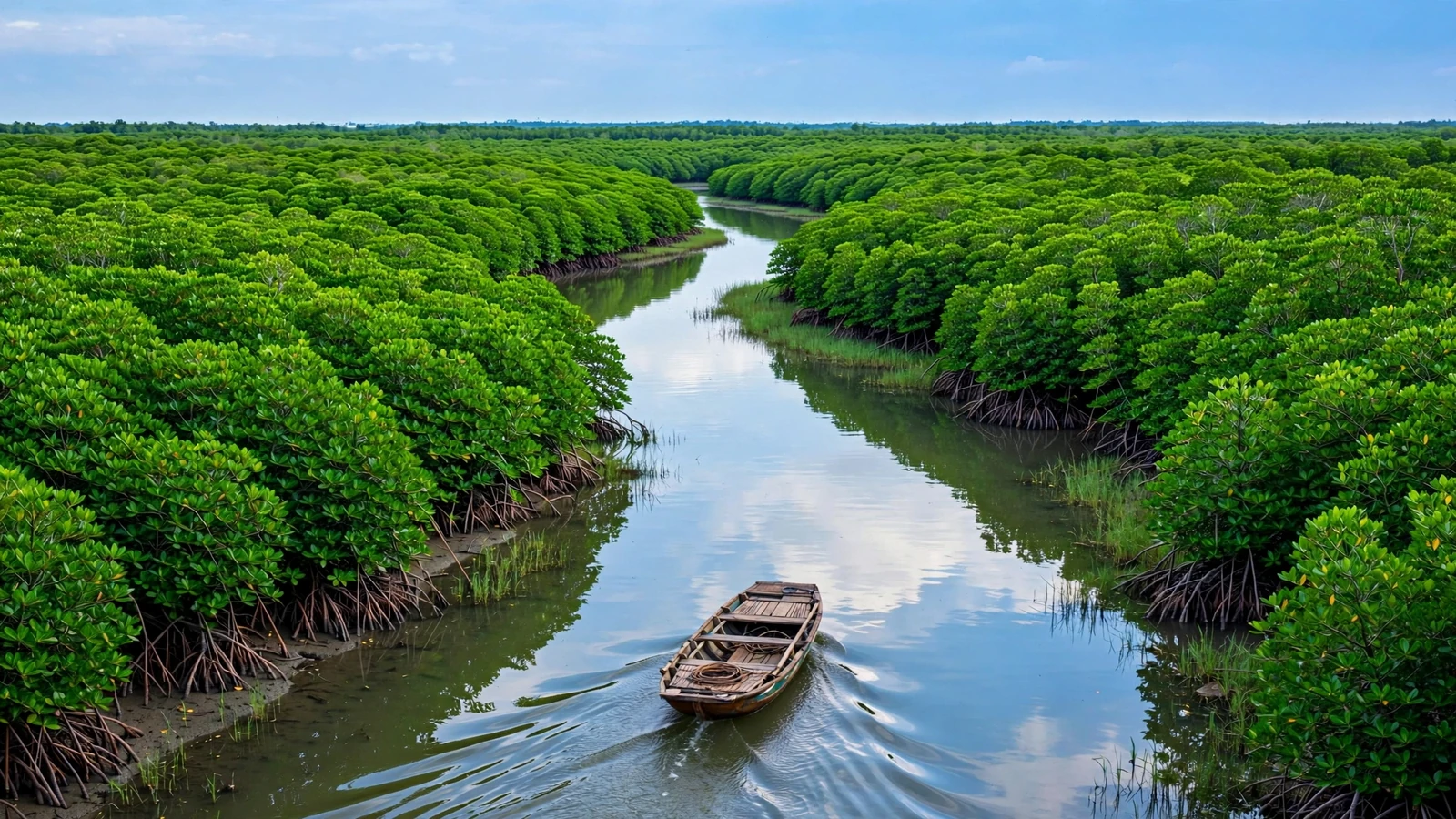
Think of the region as forest, city, sea. The city you know. The sea is Vung Tau. The forest is Can Gio, and it is the surprise of the three. About 50 km southeast of District 1, it holds one of the largest mangrove forests in Vietnam, recognized by UNESCO as a biosphere reserve in 2000. The drive in is part of the experience: city concrete gives way to salt fields and shrimp farms, then to a green tunnel of mangrove canopy along the road.
This is a living landscape, not a museum. The mangroves shelter more than 200 species of fauna and over 50 species of flora. Fishermen work the tidal channels, long tailed macaques roam the roadsides, and birds move through the canopy in flocks. A day here feels like a different country from the city you left that morning, and that contrast is the whole point.
The forest you see is a restoration success. The mangroves were badly damaged decades ago and have been replanted and protected since, so the dense green canopy along the waterways is the result of long patient work. Knowing that backstory gives the boat rides a quiet weight. You are floating through a landscape that came back.
Vam Sat is the main ecotourism area and the easiest way to structure your day. It runs boat trips through the mangrove channels with guides who know where the wildlife is. Packages are sold at the gate and prices are posted on a large board. Read the board carefully, confirm exactly what your package includes, and settle every detail before you pay. This one habit prevents most visitor complaints.
The sampan ride is the highlight. A small rowing boat slips through narrow mangrove creeks, close enough to touch the roots, with birds and crabs appearing along the banks. Then there is the crocodile area, where crocodiles are kept in enclosures and visitors can try crocodile fishing with a baited line for the novelty of it.
Monkey Island, nearby, is exactly what it says. Long tailed macaques live wild here and are entirely unbothered by people. They will inspect your bag, your phone, your glasses, and your pockets if you let them. It is fun and slightly chaotic, and the staff warnings about securing loose items are not decoration. Keep snacks packed away and hold your camera with a strap.
A tall observation tower near Vam Sat gives the classic Can Gio view: mangrove canopy to every horizon, water glinting between the trees. Climb it before the heat builds. From the top you finally grasp the scale of the reserve, and how close this much wilderness sits to a city of nine million people.
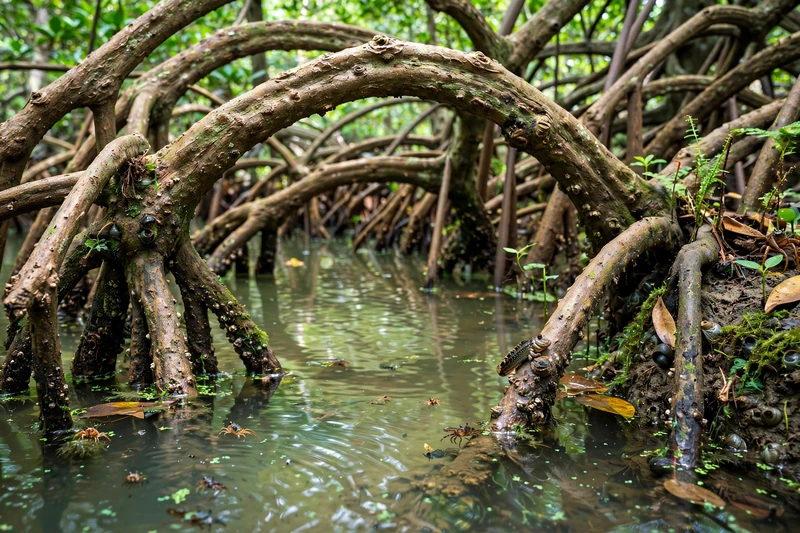
Bird watching here is genuinely good, not just brochure good. More than 130 bird species have been recorded in the reserve, including migratory species that pass through in season. Early morning on the water with a guide who knows the calls is the best formula, and the quieter creeks reward patience.
Crab fishing is the hands on activity and one of the most memorable things you can do near the city. You wade into shallow tidal flats with a guide, learn to spot crab holes in the mud, and try your luck with simple tools. It is muddy and unglamorous and oddly absorbing, and the guides turn it into a small masterclass in reading the tide.
Bring binoculars if you have them, since rental options are thin and a good guide appreciates visitors who come prepared. Morning light and lower tides are the two things that make or break the wildlife experience, so ask your guide or tour operator about tide timing when you plan the day.
Can Thanh town, at the end of the road, is where you eat. Seafood restaurants line the waterfront near Tac Suat wharf, serving crab, shrimp, clams, and fish that came off the boats that morning. Prices are fair, portions are generous, and a long seafood lunch is the natural finale to a morning on the water.
Getting there from the city is straightforward. Bus 75 runs from the Ben Thanh area to Can Gio town through the day. Expect about two hours each way. From Vung Tau, the ferry crosses to Tac Suat in about 30 minutes, with high speed boat tickets around 110,000 VND (about $4.40) for adults on weekdays. Prices checked in 2026 and variable.
The workable day trip runs like this: leave the city by 7:00 am, reach Vam Sat by 9:30, do the boat and wildlife circuit through the morning, lunch in Can Thanh around noon, and head back by mid afternoon. Full day tours from the city handle all the logistics if you prefer not to think about buses and gates.
Mosquitoes are the real tax on this trip. The mangroves are prime mosquito country, especially toward late afternoon. Bring strong repellent, wear long sleeves and light colors, and reapply through the day. Add sunscreen, a hat, cash for the small vendors, and a dry bag for your electronics on the boat rides.
Yes, easily. Leave by 7:00 am, spend the morning at Vam Sat and Monkey Island, have seafood lunch in Can Thanh, and return by mid afternoon. The whole trip needs about nine hours door to door.
Older children love it, especially the monkeys and crab fishing. Very young kids may struggle with the heat, the boat rides, and the walking involved.
The dry season, roughly November to April, brings calmer water and easier wildlife spotting. The wet season is greener but hotter, muddier, and buggier.
High speed boats and a car ferry run between Vung Tau and Tac Suat wharf in Can Gio, taking about 30 minutes. Adult high speed tickets run about 110,000 VND on weekdays, and schedules are limited, so confirm times a day ahead.
 Keep exploring
Plan your Cu Chi Tunnels visit: Ben Dinh vs Ben Duoc compared, what the tunnel crawl really feels like, how to get there
 Keep exploring
Pack the best of Saigon into 48 hours: one day downtown, then choose the Cu Chi tunnels or the Can Gio mangrove forest f
 Keep exploring
Dam Trau Beach sits 12 km from Con Dao town, backed by old forest and fronted by coral just meters from shore. Free entr
