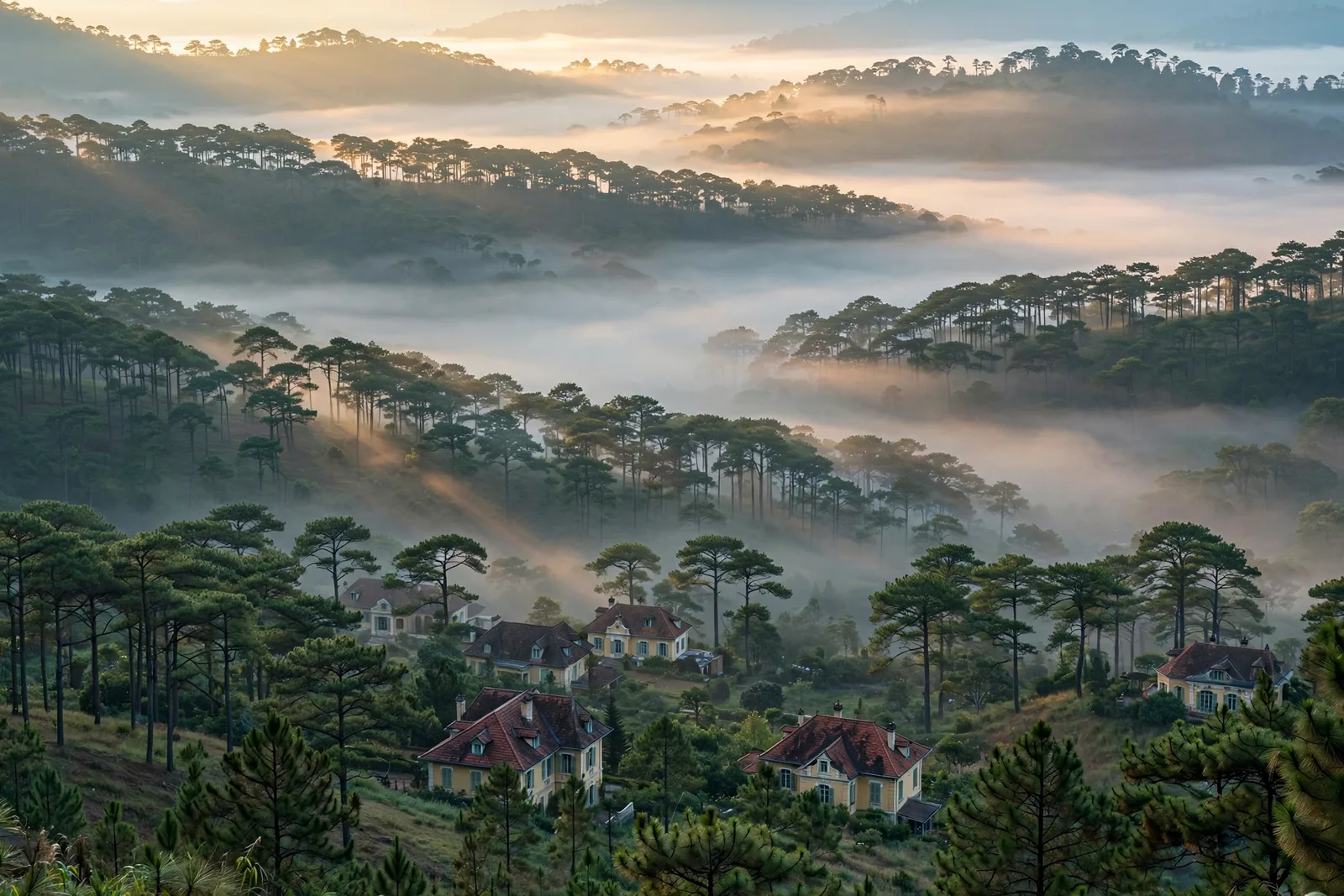
When Saigon hits 35 degrees, Da Lat sits at a perfect 22. The former French hill station, 300 km north, is Vietnam’s highland playground: waterfalls, pine forests, coffee farms and strawberries in the tropics.
AI illustration
Da Lat climate is its superpower. At 1,500 meters, temperatures hover between 15 and 25 degrees Celsius all year, with cool misty mornings, warm sunny middays and chilly evenings made for hot soup. The French built it as a hill station for exactly this reason, and a century later it still feels like a different country from the lowlands.
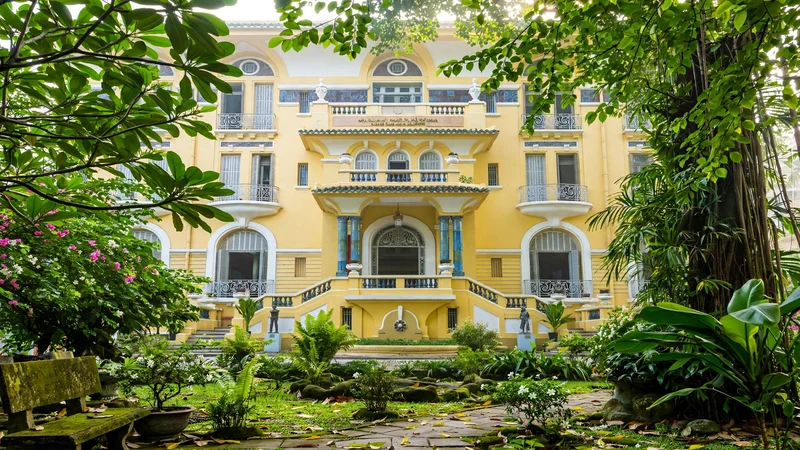
The city itself is made for wandering: a central lake, a flower garden that lives up to the hype, French villas turned into cafes and boutique hotels, and a night market where the uniform is a jacket and a skewer of grilled pork. It is Vietnam most romantic city by a wide margin, and honeymooners have known it for generations.
Pack layers. The temperature swing between a misty 16 degree dawn and a sunny 24 degree afternoon is real, and the evenings demand a sweater even in summer. Rain falls mostly from May to October, often as dramatic afternoon storms that clear by evening.
The night market is Da Lat evening ritual. Stalls grill corn, sweet potatoes and pork skewers over charcoal while shoppers hunt for strawberry jam, dried fruit and warm woolens. Grab a cup of hot soy milk, find a spot with a view of the lake, and watch the mist roll in: this is the Da Lat the locals love.
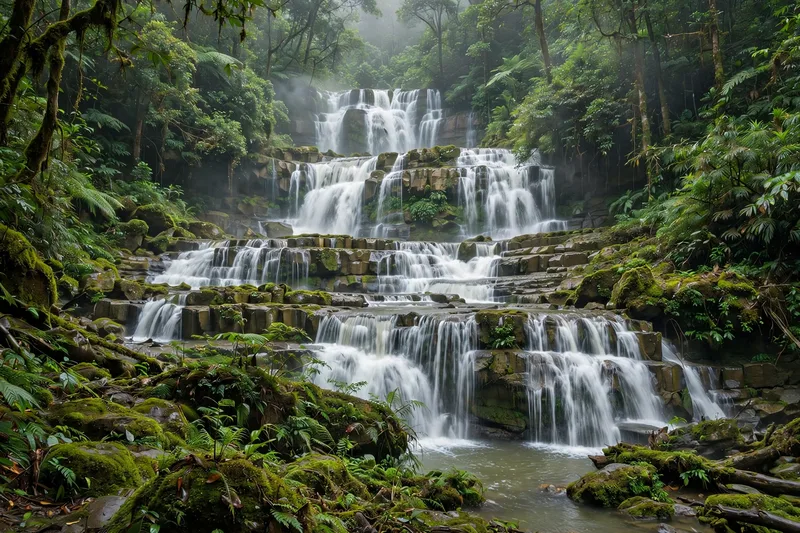
The highlands around Da Lat hold some of the south best waterfalls. Datanla, 10 minutes from town, pairs a pretty cascade with an alpine coaster you steer yourself down the hillside: equal parts scenic and thrilling. Pongour, further out, is the grandest: a wide multi tiered fall roaring through jungle, best in the rainy season.
Elephant Waterfall near Nam Ban village is the wild one, with basalt cliffs and a short but slippery trail to the base. Wear shoes with grip and skip it after heavy rain. The pine forests themselves are an attraction: rent a motorbike and ride the winding roads through the trees, stopping at viewpoints where the mist sits in the valleys.
For something gentler, the Valley of Love and the flower gardens suit a slow morning, while Lang Biang mountain offers a proper half day hike with panoramic views over the whole plateau. Entry fees run 30,000 to 100,000 VND (about $1 to $4) per site, so a waterfall day stays cheap.
Architecture fans should visit the Hang Nga Guesthouse, better known as the Crazy House: a surreal fantasy of concrete trees, spider webs and winding tunnels that you can wander through for a small fee. The old railway station with its art deco facade and the short train ride to Trai Mat village are gentler pleasures from the colonial era.
Da Lat grows Vietnam best arabica, and the coffee culture here is serious. Farm tours on the outskirts walk you through cherry picking, processing and roasting, ending with a tasting that will recalibrate what you think Vietnamese coffee can be. The famous weasel coffee is produced here too, though ethical concerns around caged production are worth knowing before you buy.
In town, the cafe scene is a destination in itself. Hillside cafes with valley views, vintage villas serving egg coffee, and roasteries where the barista will talk you through single origin lots: Da Lat takes its brew personally. Our Vietnamese iced coffee guide covers the classic Saigon style; Da Lat shows you the highland artisan side.
Bring beans home. The specialty shops around the central market sell freshly roasted arabica at a fraction of Western prices, and the packaging survives the flight home nicely.
Day one: arrive by morning flight or overnight sleeper bus, check in, wander the lake and flower gardens, ride the Datanla coaster in the afternoon, night market after dark. Day two: waterfall loop by motorbike or hired car, Pongour and Elephant falls, coffee farm tour on the way back. Day three: Lang Biang hike or a slow cafe morning, central market for strawberries and coffee, afternoon bus or flight back.
Strawberry season runs roughly from November to April, and the pick your own farms on the city outskirts are a sweet half day out. Even outside the season, the central market sells strawberry jam, dried persimmons and artichoke tea to pack in your bag.
Sleeper buses depart Ho Chi Minh City all evening from Mien Dong station and arrive at dawn, which maximizes your time. Flights take 50 minutes to Lien Khuong airport, 30 minutes from town by shuttle. Hotels range from 300,000 VND hostels to lovely French villa stays at 1,000,000 VND and up.
Many travelers pair Da Lat with Mui Ne: highlands then beach, cool air then sand dunes, in one satisfying loop. Buses connect the two in about 4 hours, making it the classic south central combination.
Sleeper bus 6 to 7 hours overnight, or a 50 minute flight to Lien Khuong airport.
15 to 25 degrees year round. Cool mornings, warm middays, chilly evenings.
Two full days covers the highlights; three lets you hike Lang Biang and slow down.
Very. The coaster, waterfalls, flower gardens and mild weather suit families well.
 Keep exploring
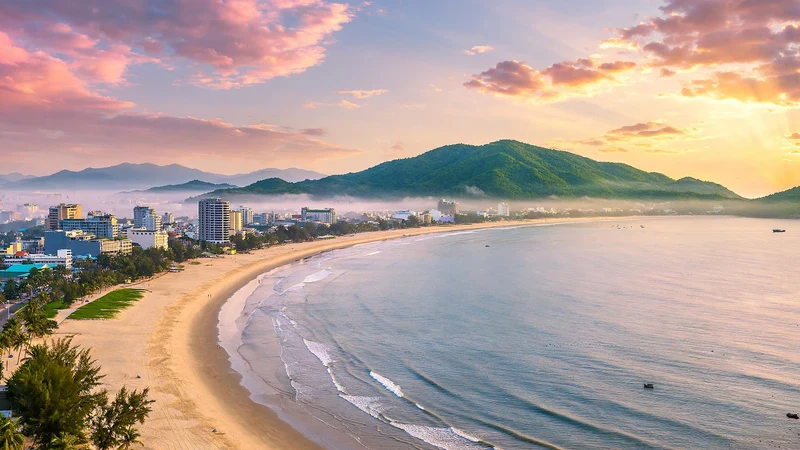
Back Beach (Bai Thuy Van) runs nearly 8 km along Vung Tau, about 2 hours from Ho Chi Minh City. Free entry, gentle surf,
 Keep exploring
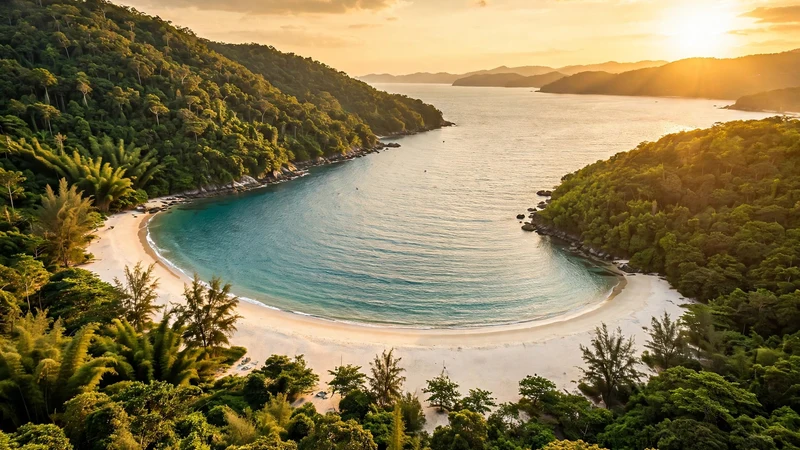
Dam Trau Beach sits 12 km from Con Dao town, backed by old forest and fronted by coral just meters from shore. Free entr
 Keep exploring
Founded in 1975, the War Remnants Museum documents the Vietnam War through aircraft, tanks, and thousands of photographs
