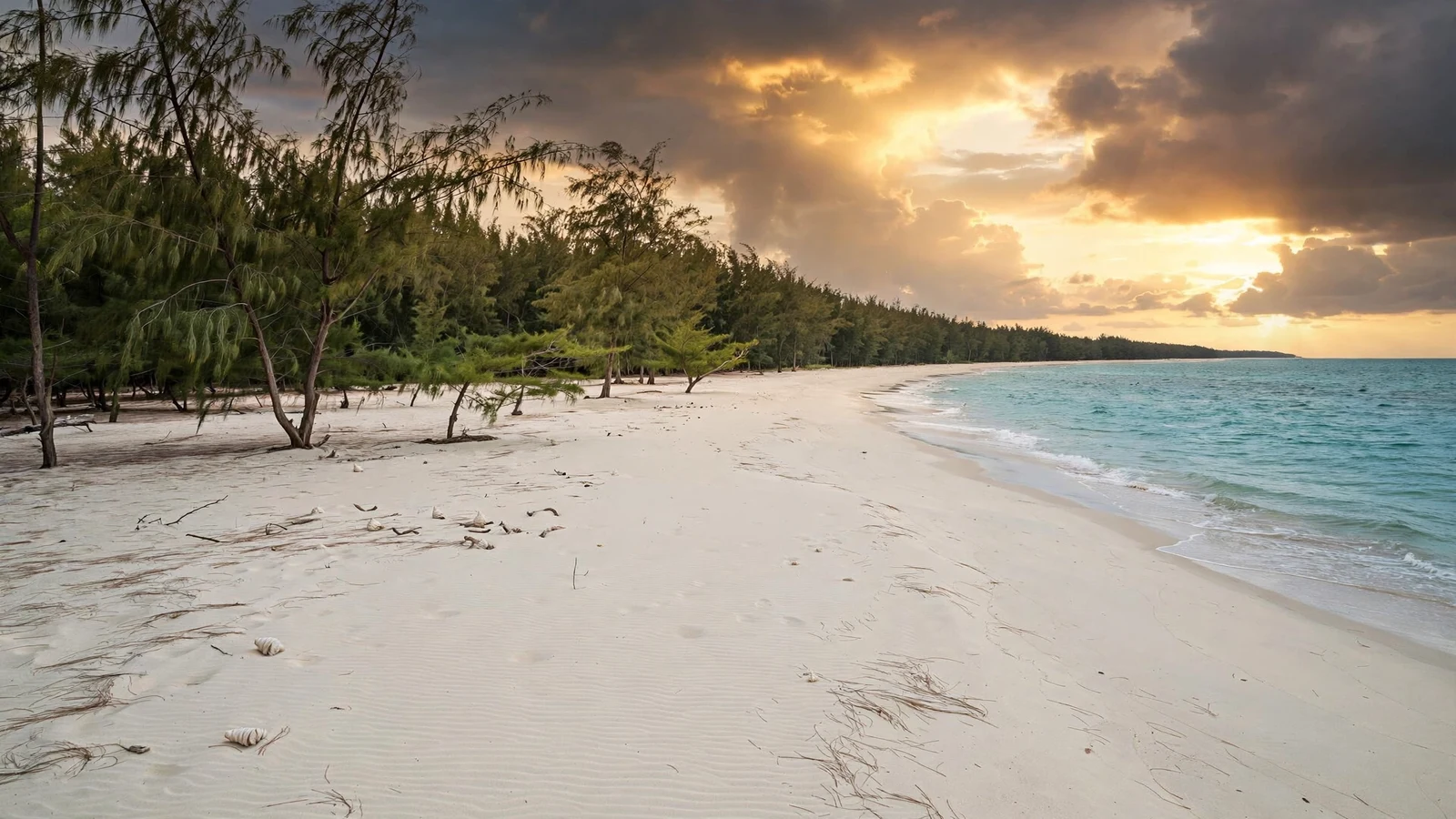
About two hours east of Ho Chi Minh City, Ho Tram is a long strip of pale sand lined with leaning casuarina trees and backed by a handful of upscale resorts. There is no boardwalk, no party scene, and no rush, just wide beach, warm water, and some of the easiest calm on the southern coast.
AI illustration
The first thing you notice at Ho Tram is how empty it feels. The beach runs for kilometers in a gentle curve, and even on weekends you can walk a few minutes from the resort clusters and find stretches of sand with nobody on them. Leaning casuarina trees line the back of the beach, throwing long shadows in the morning and giving the whole strip a windswept feel that is rare on the Vietnamese coast.
The water is the other half of the appeal. It is calm, warm, and shallow a long way out, which makes Ho Tram genuinely good for swimming. The sand is pale and fine, and the shoreline stays clean thanks to the low foot traffic. Early mornings are the best: the sea is glassy, fishing boats sit on the horizon, and the only sound is the wind in the casuarinas.
What Ho Tram does not have is just as important. There is no beach town, no row of bars, and no vendors walking the sand every five minutes. The few seafood shacks and local eateries cluster near the fishing hamlet and along the main road, and the atmosphere stays low key day and night. If you want action, this is the wrong beach. If you want to read, swim, and sleep, it is exactly right.
Ho Tram developed as an upscale resort destination rather than a backpacker beach, and the accommodation reflects that. A handful of large integrated resorts sit directly on the sand, with pools, spas, and private beach sections, alongside smaller boutique hotels and private villas set back among the trees. Standards are generally high, service is professional, and even the midrange options tend to be comfortable and well kept.
Prices follow the weekend rhythm sharply. A midrange room that feels reasonable on a Tuesday can double or more on a Saturday night, and the big resorts fill up on holidays in ways that surprise first time visitors. If your schedule allows it, come on a weekday: you will pay less, share the beach with almost no one, and get the pick of restaurant tables. For weekends and public holidays, book well ahead and confirm the total price including weekend surcharges before you commit.
Choosing where to stay is mostly about how much resort you want. The large beachfront resorts suit travelers who want everything in one place: meals, pools, spa, and the sea within a short walk. The smaller hotels and villas suit those who plan to explore, eat at local seafood spots, and use the room mainly for sleeping. Either way, check how far your room is from the water, since some properties marketed as beachside sit a few minutes walk back from the sand.
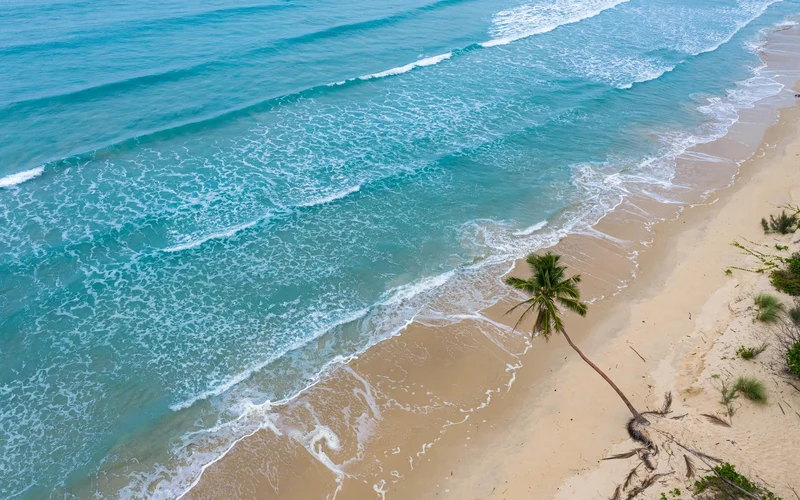
About 30 to 40 minutes south of Ho Tram, the Binh Chau hot springs make an easy half day trip and a good reason to stay a second night. The complex centers on natural mineral water that surfaces hot from underground, with outdoor pools of varying temperatures set among gardens, plus mud bath and spa services for those who want the full treatment. It is a relaxed, family friendly place, popular with Vietnamese visitors on weekends and pleasantly quiet on weekdays.
Entry starts around 100,000 VND (about $4) for basic access, with mineral bath, mud bath, and spa packages priced higher. Prices checked in 2026 and variable. Bring a swimsuit and plan for two to three hours: soak, cool off, repeat. The mud bath is the signature experience, thick warm mineral mud that you rinse off before a final soak in the hot pools. The surrounding gardens are genuinely pleasant for a slow walk.
The road south passes through the Binh Chau Phuoc Buu nature reserve, one of the last stretches of coastal forest in the region, and past small fishing hamlets where life moves at walking pace. If you have a motorbike or a driver for the day, stop at one of the roadside seafood spots on the way back: the grilled fish and shellfish here are as fresh as it gets, and prices are lower than at the resorts.
Eating in Ho Tram splits into two worlds. Inside the resorts, restaurants serve Vietnamese and international food at resort prices: comfortable, predictable, and roughly double what you would pay in town. Outside, the local seafood eateries near the fishing hamlet and along the main road serve the same ocean far more cheaply. A generous grilled seafood meal for two at a local spot typically runs 300,000 to 500,000 VND (about $12 to $20), checked in 2026 and variable, and the morning catch is the thing to ask for.
Getting around needs a little planning since Ho Tram is spread out. The resorts run shuttles and can call cars, but prices are high, so agree on fares before you get in. Renting a motorbike for the day, usually 150,000 to 200,000 VND (about $6 to $8), gives you the freedom to reach the hot springs, the fishing hamlet, and the quiet southern beaches on your own schedule. The roads are flat and light on traffic, which makes riding here easier than in the city.
The dry season, roughly November to April, brings the calmest seas and the most reliable sunshine. The rainy months can still be pleasant, with short sharp showers rather than all day rain, but the sea gets rougher and the sky less predictable. However you time it, Ho Tram rewards the traveler who arrives with no agenda: the beach, the trees, and the hot springs do the rest.
About 120 km, or roughly 2 hours by limousine shuttle or private car door to door. It is one of the easiest proper beach escapes from the city, close enough for a single overnight trip.
Yes. The water is calm, warm, and shallow a long way out, with pale fine sand. It is one of the better swimming beaches within easy reach of Ho Chi Minh City.
Not really. Evenings are quiet: resort bars, a few local eateries, and the sound of the sea. Travelers looking for bars and parties should look at Vung Tau instead.
Easily. The springs are 30 to 40 minutes south by car or motorbike, entry starts around 100,000 VND (about $4), and a two to three hour visit fits comfortably into a morning or afternoon.
 Keep exploring
Back Beach (Bai Thuy Van) runs nearly 8 km along Vung Tau, about 2 hours from Ho Chi Minh City. Free entry, gentle surf,
 Keep exploring
Front Beach (Bai Truoc) is Vung Tau’s calm, west facing beach made for sunsets, promenade walks, Hon Ba island, the Whit
 Keep exploring
A three day route pairing downtown Saigon with Vung Tau and Ho Tram beaches. City culture, sea swims, and fresh seafood
