In the middle of the motorbike roar, 20 hectares of 19th century calm. The Saigon Zoo and Botanical Gardens has shaded the city since 1864, and a morning here is the gentlest introduction to Saigon you can have.
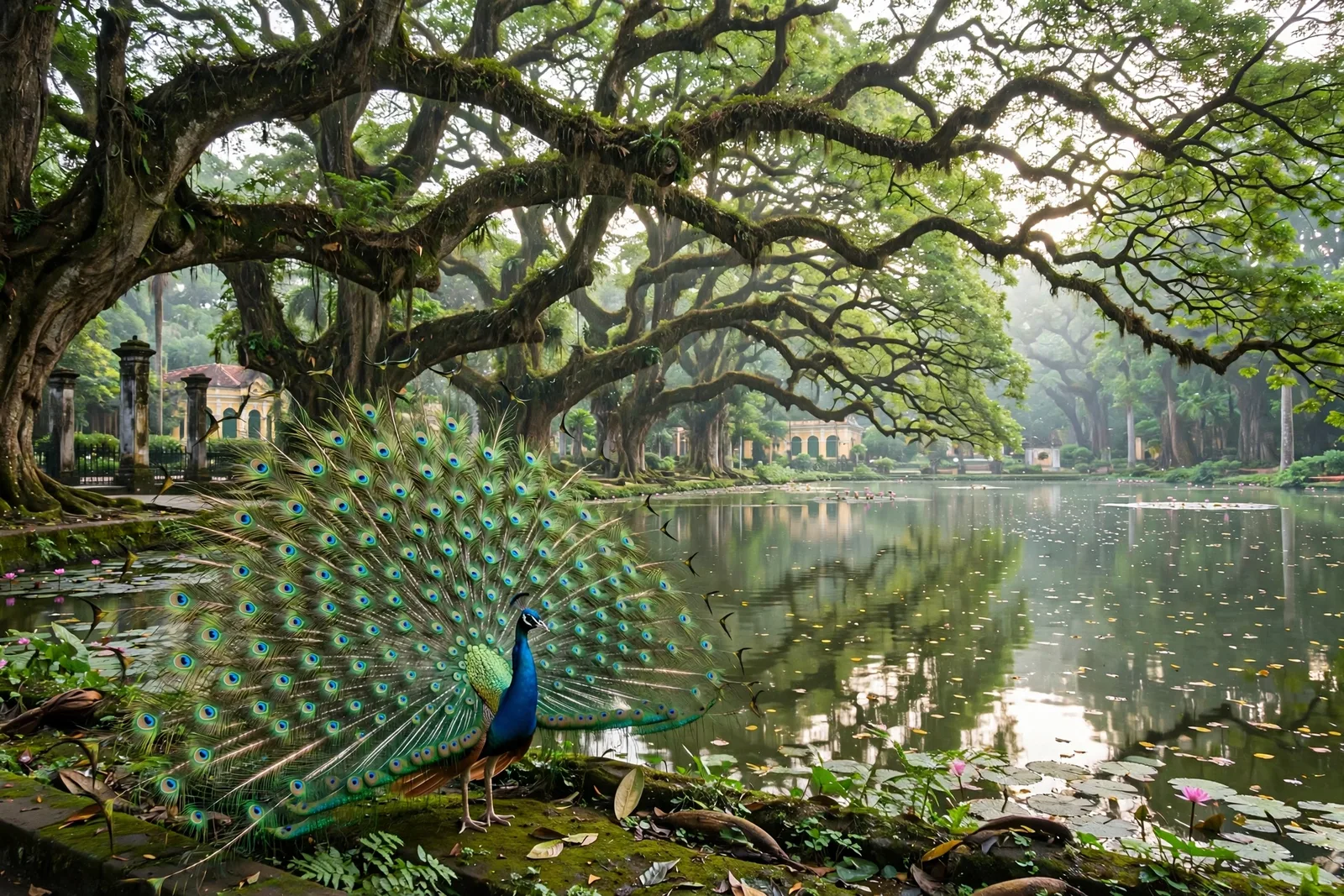
AI illustration
The Saigon Zoo and Botanical Gardens was founded by the French in 1864 and opened to the public in 1869, making it one of the oldest zoos in the world. The botanical garden came first: a colonial project to collect and study tropical plants, with avenues of trees planted that still tower over the paths today. The zoo grew up inside the garden, and the combination is what makes the place special.
Those ancient trees are the real attraction for many visitors. Some specimens are over a century old, with buttress roots, orchids in the branches and a canopy that drops the temperature several degrees. On a hot Saigon morning, stepping through the gates feels like entering a different climate.
The institution has grown into a conservation role too, with breeding programs for rare species and wildlife releases reported in recent years. It is a working zoo with a heritage landscape, not a polished modern safari park: come with the right expectations and you will love it.
The founding story is worth knowing. French botanists established the garden in 1864 to acclimatize useful plants from around the tropics, and the menagerie followed as colonial Saigon grew. The layout you walk today, with its radial avenues and the central lake, is essentially the 19th century plan, which makes a visit a walk through landscape history as much as a zoo trip.
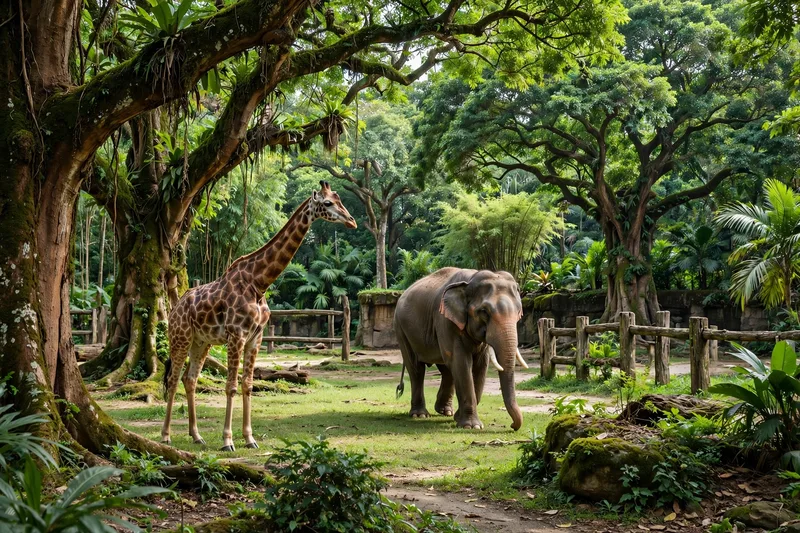
The collection holds more than 500 animals across 100 plus species: elephants, giraffes, tigers, hippos, primates, reptiles and a lively bird section. Conditions vary by enclosure, as in many historic zoos, but the shaded setting and the newer renovated areas make for a pleasant walk. The orchid garden and bonsai collection reward plant lovers, and the lake with its paddle boats is a fine rest stop.
Weekend mornings bring local families with picnic mats under the trees, traditional music performances on holidays, and a cheerful chaos around the playground and small amusement rides. Weekday mornings are noticeably quieter and the animals are more active in the cool early hours.
Do not miss the butterfly garden and the cactus house, small but charming, or the feeding times posted at the entrance. Bring the 60,000 VND entry fee (about $2.40) in cash and buy tickets at the official counters.
Families should look for the children farm area, where kids can get close to goats and rabbits, and the elephant and giraffe houses, which draw the biggest crowds at feeding time. The reptile house holds an impressive crocodile collection, a reminder that Mekong wildlife starts just beyond the city. Interpretive signs are in Vietnamese and English throughout.
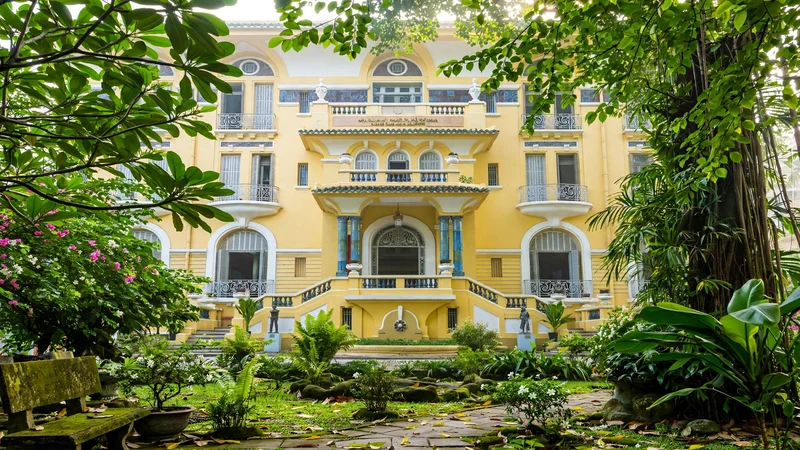
Next door, literally sharing the green space, stands the History Museum of Ho Chi Minh City in a beautiful 1929 Indochinese building. It holds Cham sculptures, Oc Eo artifacts and royal relics: one of the best museums in the city. Note it charges a separate small entry fee of about 30,000 VND.
Inside the zoo grounds themselves, the Hung Kings temple sits on a small hill, a quiet place of worship with fine views over the gardens. Dress respectfully if you enter: covered shoulders and knees, as the signs request.
The combination of zoo, gardens, museum and temple makes this corner of District 1 a full cultural morning. The War Remnants Museum is a short ride away for an afternoon of heavier history, if you want to pair green calm with historical weight.
Arrive at the 7:00 opening. The animals are liveliest, the light through the old trees is beautiful, and you will finish before the midday heat. Two to three hours covers the highlights at a stroll; add the History Museum and it becomes a full morning.
The zoo sits in central District 1, walkable from the backpacker area and a short Grab from anywhere downtown. Inside, food stalls sell iced coffee, banh mi and fresh fruit at local prices, or picnic under the trees like the Saigon families do. Our Suoi Tien guide covers the city other big family day out, further east.
Wear flat shoes: the grounds are extensive. Bring sun protection, water and a hat even with the shade. And go on a weekday if you can: the weekend crowds are joyful but the paths fill fast.
From the zoo gates, the Independence Palace and the cathedral area are a pleasant 15 minute walk down Le Duan boulevard, making an easy combined morning of green calm and city landmarks.
Morning exercise groups use the grounds before opening, a reminder that for Saigon residents this is their park first and a tourist sight second. Join the unhurried pace and you will see the local side of the city.
60,000 VND for adults, 40,000 VND for children 1 m to 1.3 m, free under 1 m.
Daily 7:00 to 17:30, with ticket sales ending at 17:30.
Two to three hours for the zoo and gardens; add an hour for the History Museum.
Very. Flat paths, shade, playgrounds and picnic lawns suit small children.
 Keep exploring
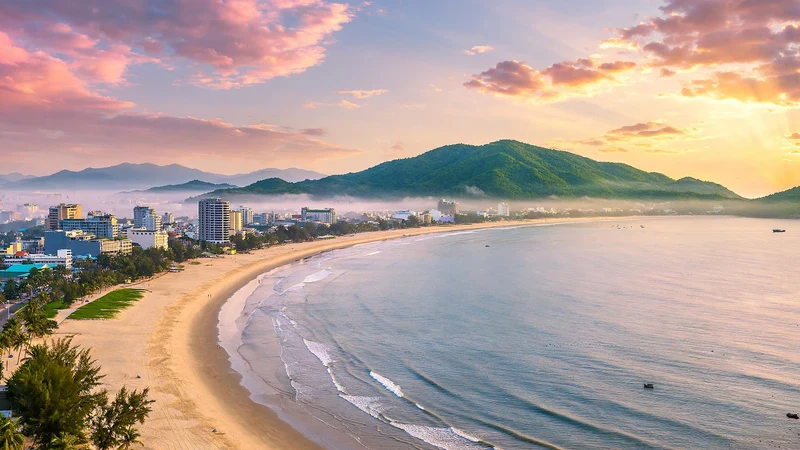
Back Beach (Bai Thuy Van) runs nearly 8 km along Vung Tau, about 2 hours from Ho Chi Minh City. Free entry, gentle surf,
 Keep exploring
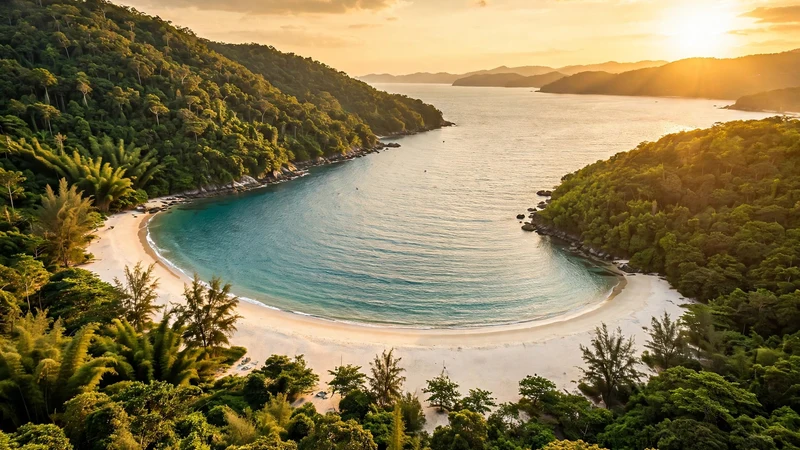
Dam Trau Beach sits 12 km from Con Dao town, backed by old forest and fronted by coral just meters from shore. Free entr
 Keep exploring
Founded in 1975, the War Remnants Museum documents the Vietnam War through aircraft, tanks, and thousands of photographs
