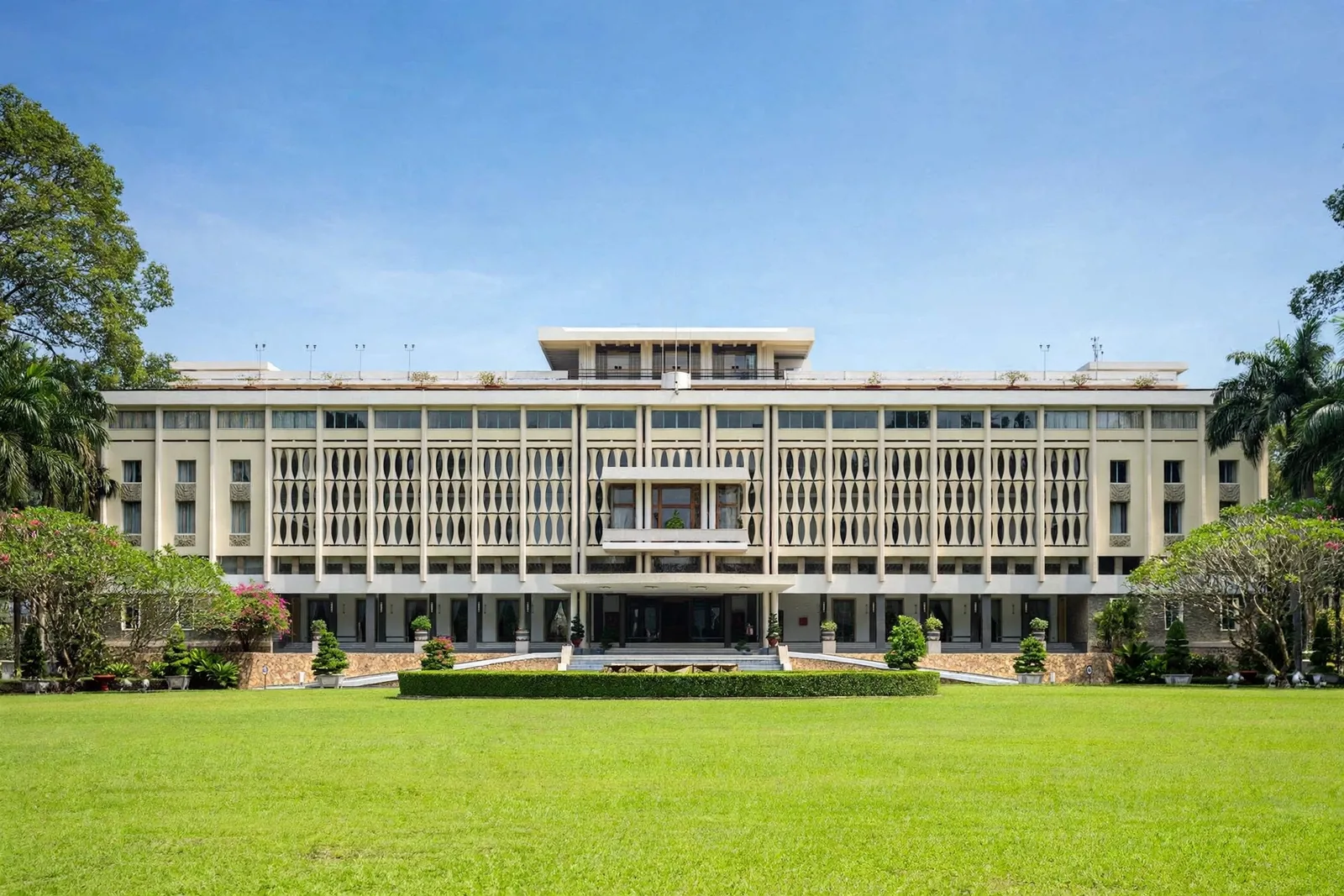
On the morning of April 30, 1975, North Vietnamese tanks crashed through the gates of the Independence Palace and the war ended. The palace has barely changed since. Walking its halls today is the closest thing in Saigon to time travel: the war rooms, the president’s private quarters, and the rooftop helipad all sit exactly as they were left.
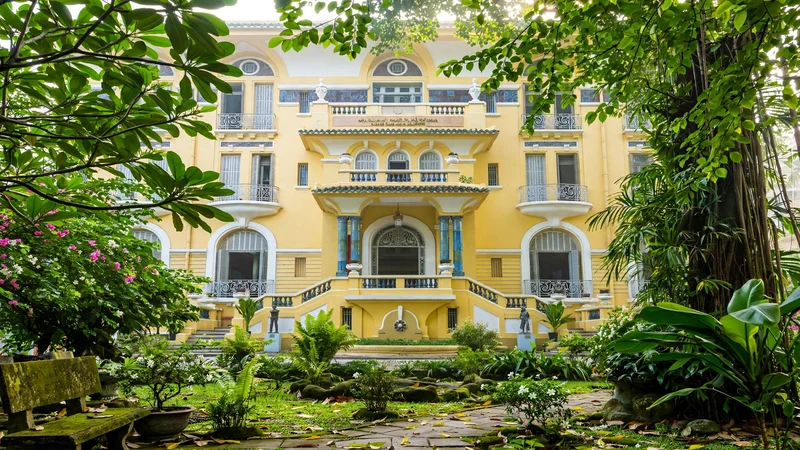
AI illustration
The Independence Palace was the home and workplace of the President of South Vietnam, completed in 1966 to replace a French era palace destroyed by bombing. Its architect, Ngo Viet Thu, blended modernist concrete screens with traditional Vietnamese motifs, creating a building that was meant to symbolize a modern independent nation. Thu, the first Asian architect to win Rome’s prestigious Grand Prix, designed every detail, from the facade’s bamboo inspired screens to the interior’s period furnishings.
On April 30, 1975, tanks numbered 843 and 390 rolled through the front gates, and the unconditional surrender of the South Vietnamese government was declared inside. The moment was filmed and photographed, and those images, the tanks on the lawn, the flag changing on the roof, became the defining pictures of the war’s end. The palace’s gates, rebuilt after the originals were crushed, stand as a deliberate memorial to that morning.
Today the palace is a museum preserved as a time capsule. The original furniture, the 1960s telephones, the maps on the war room walls: all of it is the real artifact, not a reconstruction. That authenticity is what makes the visit so powerful. You are not looking at a recreation of history; you are standing in the room where it happened.
Start on the ground floor with the grand reception rooms, all high ceilings, long drapes, and period furniture that screams 1960s state power. The cabinet meeting room, with its long table and ashtrays still in place, is where the government that lost the war made its last decisions. The state banquet hall, set as if for a dinner that never happened, is a study in formal elegance frozen mid gesture.
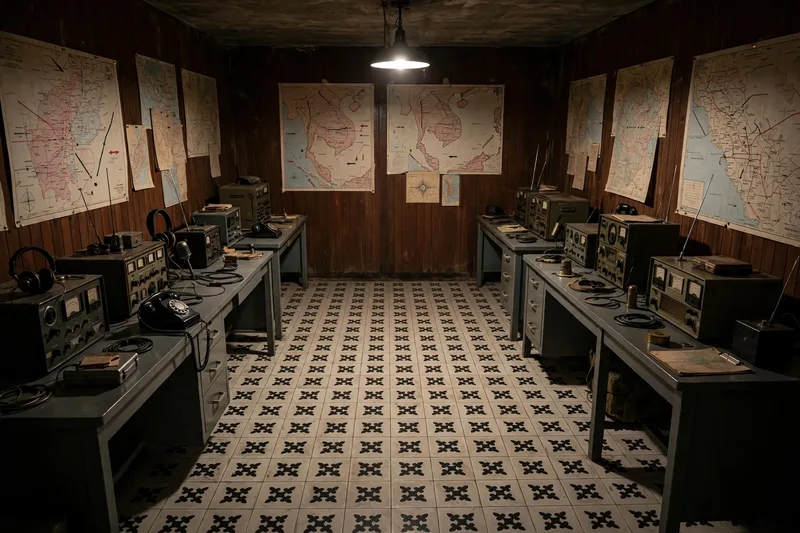
The basement is the highlight for many visitors: the war command center with its tunnels of maps, banks of old communications equipment, and the president’s bunker. The low ceilings and humming air conditioning make the tension of the final days almost tangible. Study the situation maps on the walls, still marked with the military positions of April 1975, and the banks of radio equipment that carried the war’s last orders.
Upstairs, the private residential quarters show the human side: the president’s bedroom, the family cinema, the rooftop terrace with its helipad and sweeping city views. On the lawn outside, replicas of the two famous tanks stand where the originals stopped, the most photographed spot in the complex. The rooftop also holds the UH-1 helicopter and the spot where the famous bombing run of 1975 began, adding another layer to the building’s dense history.
The palace is open daily from 7:30 to 11 am and 1 to 4 pm, and a full visit takes about ninety minutes. Mornings are cooler and less crowded; tour groups tend to arrive midmorning, so an early start or a 1 pm entry dodges the worst of them. The 7:30 opening is genuinely magical, with the grounds empty and the morning light raking across the facade’s concrete screens.
Tickets cost around 65,000 VND (about $2.60) for adults, with lower prices for students and children. Audio guides are available and worth it, because the signage, while in English, is brief. Photography is allowed throughout most of the building. The audio guide adds the human stories behind the rooms, the aides, the last phone calls, the decisions made at that long table, that the plaques can only hint at.
Dress for air conditioned halls and sunny grounds: the interiors are cool, but the gardens and the walk between buildings are exposed. Combine the visit with the nearby War Remnants Museum, a short walk away, for the full historical picture in one day. The two sites complement each other perfectly: the palace shows where power sat, the museum shows what the war cost.
Few buildings in the world preserve the exact moment a war ended. The palace’s power comes from its specificity: this desk, this phone, this map room, on that morning. It turns the abstract history of the Vietnam War into something you can stand inside. Visitors who lived through the era often find it unexpectedly emotional; younger visitors find it unexpectedly real.
The exhibits present the official Vietnamese narrative, and thoughtful visitors will notice what is emphasized and what is not. Reading a general history before or after your visit adds depth; the palace shows you the stage, and the books tell you about the actors. The gift shop’s book selection, heavy on photographic histories, is worth browsing for context.
End on the rooftop terrace at the close of your visit. The 360 degree view of modern District 1, all glass and motion, against the frozen 1975 interiors below, is the best possible summary of what Saigon has become. For the classic center walk that leads here, see our District 1 walking tour. The contrast between the silent rooms and the roaring city outside is the palace’s final exhibit, and its most eloquent.
Around 65,000 VND (about $2.60) for adults, with reduced prices for students and children. Audio guides cost extra.
About ninety minutes covers the reception rooms, the basement war command center, the private quarters, and the gardens with the tanks.
Daily from 7:30 to 11 am and 1 to 4 pm. It closes for lunch between 11 am and 1 pm, so plan around that gap.
Yes, the same building. It was renamed Reunification Palace after 1975, but most visitors and many locals still call it the Independence Palace.
 Keep exploring
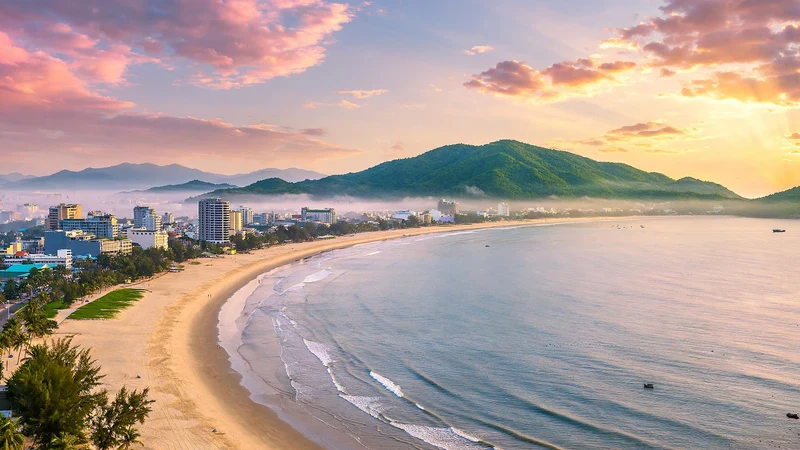
Back Beach (Bai Thuy Van) runs nearly 8 km along Vung Tau, about 2 hours from Ho Chi Minh City. Free entry, gentle surf,
 Keep exploring
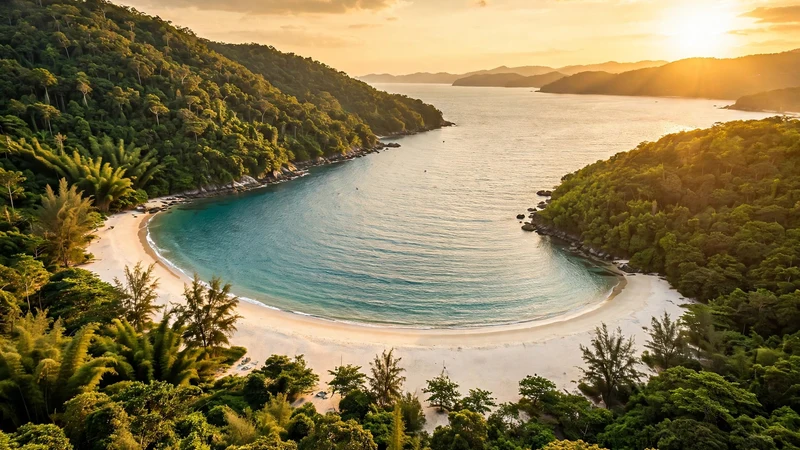
Dam Trau Beach sits 12 km from Con Dao town, backed by old forest and fronted by coral just meters from shore. Free entr
 Keep exploring
Founded in 1975, the War Remnants Museum documents the Vietnam War through aircraft, tanks, and thousands of photographs
