Bun rieu is the soup for people who find pho too polite. A lightly sour tomato broth carries clouds of paddy crab paste, silken tofu, and pork, and the bowl gets buried under water spinach, banana blossom, and herbs. Saigon adds its own twist with snails. Here is how to eat it and where the best pots simmer.
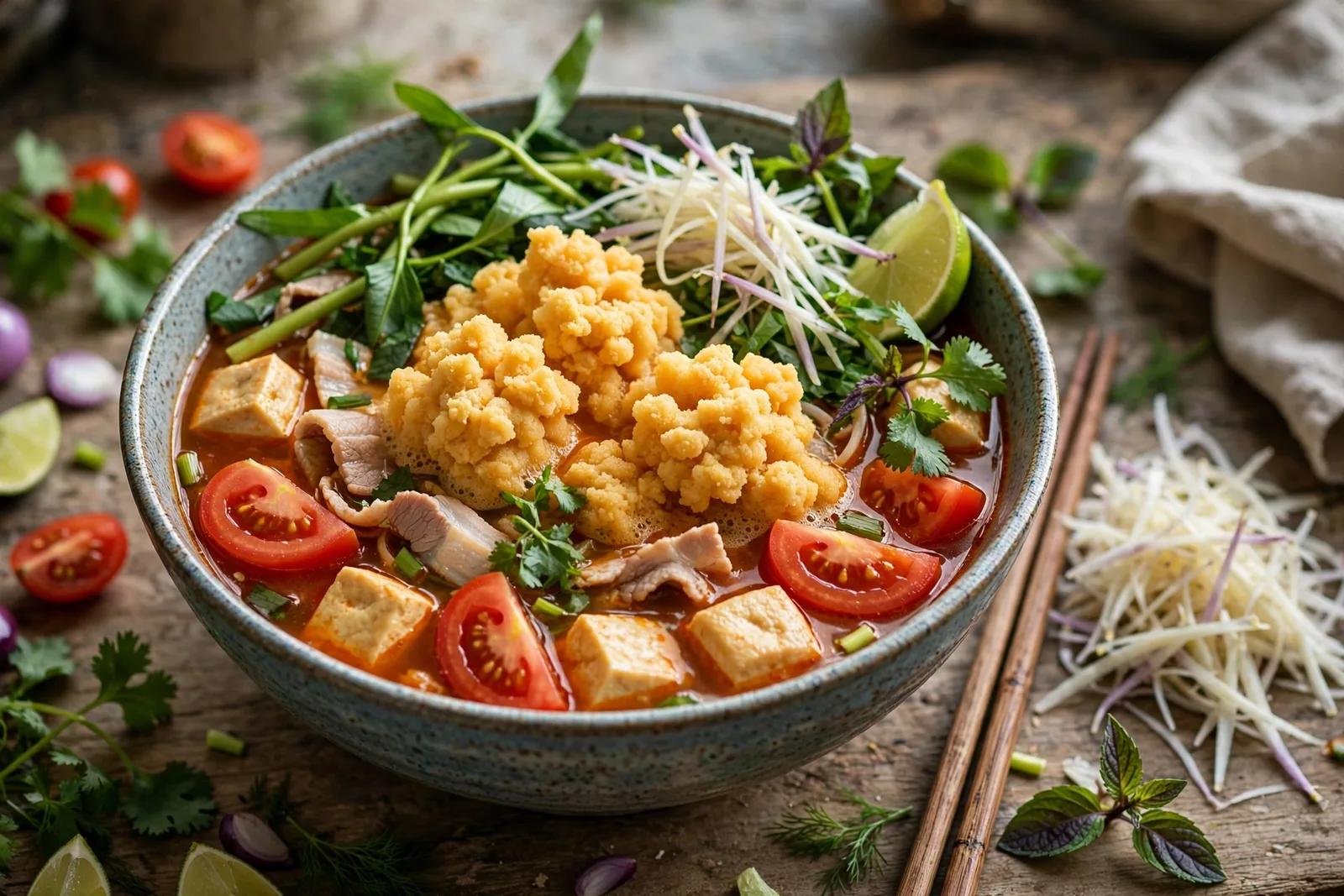
AI illustration
Rieu cua is the soul of the bowl. Paddy crabs are pounded, strained, and simmered until the meat rises into golden clouds that float on the broth. Tomatoes go in for color and acidity, tofu soaks up the soup, and a backbone of pork broth keeps it hearty. The sourness comes from tamarind or vinegar, bright but gentle.
The toppings tell you the shop takes it seriously. Cubes of congealed pork blood, slices of cha lua sausage, maybe a pork hock for the devoted. Each bowl is a small landscape of textures: soft crab clouds, bouncy tofu, chewy noodles, crisp greens.
On the side comes mam tom, fermented shrimp paste, purple and pungent. A little stirred into the broth adds oceanic depth; too much takes over. Beginners should add it spoon by spoon.
Making rieu cua is laborious, which is why the real thing commands respect. The crabs are cleaned, pounded, and strained by hand, then the liquid is heated gently until the protein sets into clouds. Shops that do this daily start before dawn. The fluffy golden result is worth the work.
Paddy crabs are small freshwater crabs from the rice fields, and their meat is sweeter and more delicate than sea crab. The harvest follows the rice cycle, so the best bun rieu traditionally appears in certain months, though farmed supply now keeps the pots going year round. Ask an old vendor about the crab season and watch their face light up.
Saigon could not leave a good soup alone. Here many shops serve bun rieu oc, with snails added to the crab base, a surf and turf combination that the capital never imagined. The snails bring chew and sweetness, and the pairing works because both love the sour tomato broth.
The greens are a full plate, not a garnish: rau muong, water spinach, shredded banana blossom, bean sprouts, and a tangle of herbs. Pile them in generously; they are meant to wilt slightly in the hot broth and balance the richness.
For another crab noodle worth the trip, banh canh cua takes the same love of crab in a thicker, chewier direction. And the oc snail stalls are where the snail half of the equation comes from.
The snail addition changes the broth. Snails release their own sweet liquor as they cook, deepening the soup, and their chew gives the soft crab clouds something to play against. Order the snail version where the snails look plump and the shells are clean. A good shop preps them meticulously.
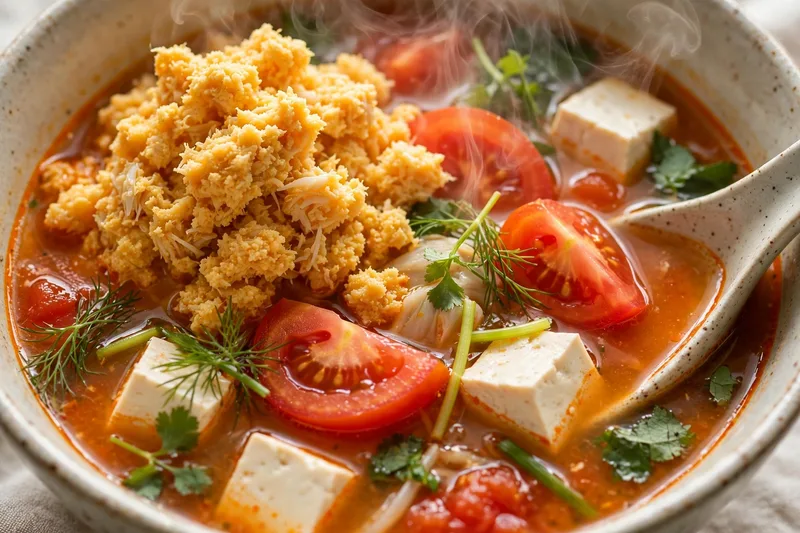
Start by tasting the broth as served. Then add the greens, a squeeze of lime, and chili to your level. Stir in the mam tom a little at a time if you want the full funky depth; skip it if you prefer the cleaner crab flavor.
Work the bowl top down: greens and noodles first, then chase the crab clouds and tofu, saving the pork and sausage for the rich finish. The broth should stay hot to the end, which is why the bowls are deep and the serving is fast.
Do not rush. Bun rieu is a morning ritual, and the shops expect you to linger over the pot steam and the second glass of iced tea.
The herb plate often includes kinh gioi, Vietnamese balm, with its distinctive lemony note. It is the herb that makes the bowl taste specifically of the south. Use it generously. It wilts fast in the hot broth and its perfume is fleeting.
Bun rieu is a morning and lunch dish. The dedicated shops open around 6:00 and many close by early afternoon when the crab paste runs out. District 1 has reliable old names, District 3 and Phu Nhuan run neighborhood pots, and the markets hide some of the most honest bowls.
A standard bowl costs 35,000 to 50,000 VND (about $1.50 to $2); the snail version or a fully loaded dac biet reaches 55,000 to 60,000 VND (about $2 to $2.50). Extra crab paste is the luxury upgrade and worth every dong.
Look for a broth that tastes of tomato and crab, not just salt, and crab clouds that are fluffy rather than dense. The pot should smell faintly of the field, not of the fridge.
Many bun rieu shops also serve a dry mixed noodle with the same toppings for regulars who want a change. Ask what else the kitchen makes. The one dish shops often hide a second specialty for those who ask.
Paddy crab meat simmered until it rises into golden clouds on the broth. It is the defining ingredient.
Fermented shrimp paste served on the side. Stir in a little for deep savory flavor, or skip it.
Mildly. The sourness leads; chili is added at the table to taste.
Bun rieu is crab and tomato based, lightly sour; bun bo Hue is beef and lemongrass based, spicy and rich.
 Keep exploring
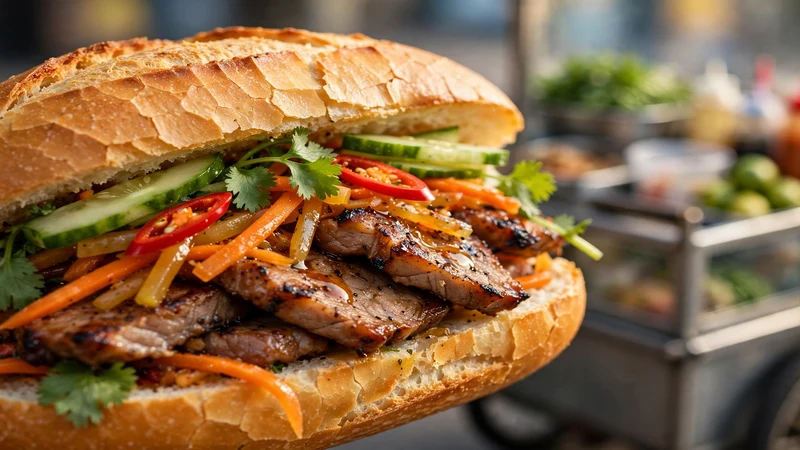
From street carts to a UNESCO heritage nomination, Saigon banh mi is the street food you cannot skip. Crispy crust, rich
 Keep exploring
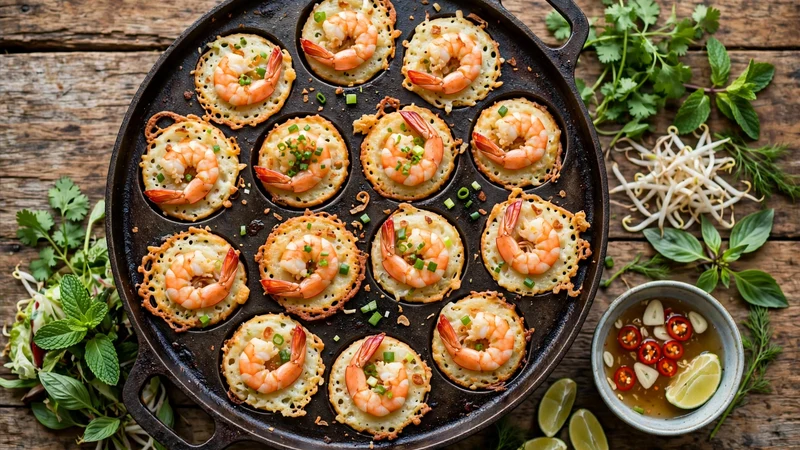
Tiny golden pancakes from a sizzling cast iron mold, topped with whole shrimp and wrapped in herbs. A plate of 10 to 15
 Keep exploring
Bitter robusta coffee brewed through a cloth filter, sweetened with condensed milk, poured over ice. The drink that defi
