Some dishes you taste. Ca kho to you remember. Catfish simmered in a claypot with caramel, fish sauce, and black pepper until the sauce turns to glossy syrup: this is the defining plate of the Mekong Delta. Here is the story behind it and where to eat it well, in the Delta and in Saigon.
AI illustration
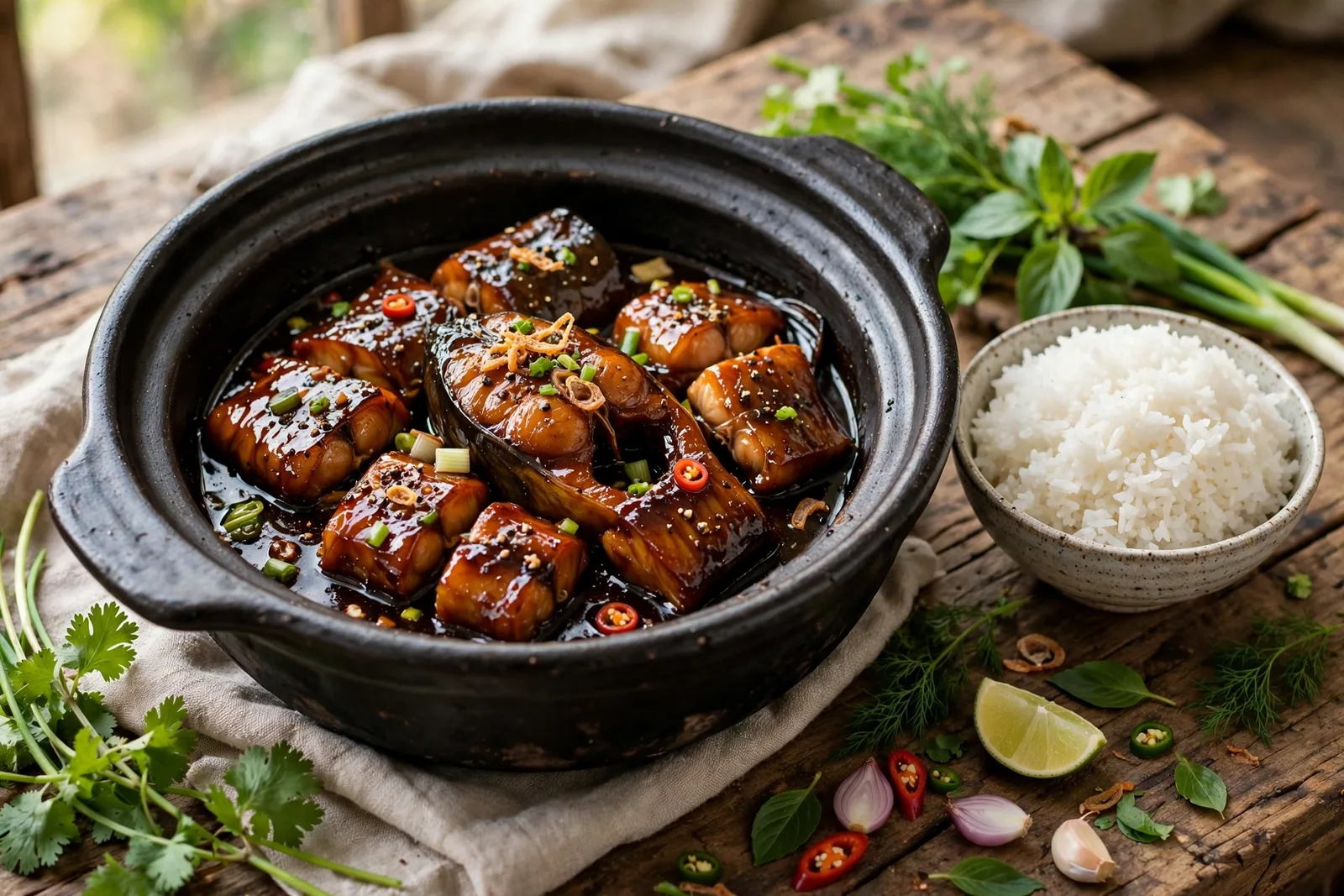
Ca kho to translates roughly as fish braised in a pot, which undersells it completely. Chunks of Mekong catfish, usually ca basa or ca tra, are simmered low and slow in a claypot with nuoc mau, a caramel made from melted sugar, plus fish sauce, shallots, and cracked black pepper. The claypot matters: it holds gentle, even heat and lets the sauce reduce to a dark, sticky glaze.
The result is sweet, salty, and deeply savory all at once, with the fish turning silky and the sauce begging to be spooned over rice. It is peasant food elevated by technique, the kind of dish that tastes like someone's grandmother perfected it over fifty years, because she did.
The dish also carries the Delta's identity. The Mekong's catfish farms made this protein abundant and cheap, and the caramel braising turned abundance into art. Ordering ca kho to in the Delta is like ordering gumbo in Louisiana: you are tasting the place itself.
The caramel is the technical heart of the dish. Sugar is melted to a deep amber, darker than most Western caramels, then loosened with fish sauce and water before the fish goes in. Too light and the dish tastes flat; too dark and it turns bitter. Cooks judge it by color and smell alone, a skill learned over years of daily pots.
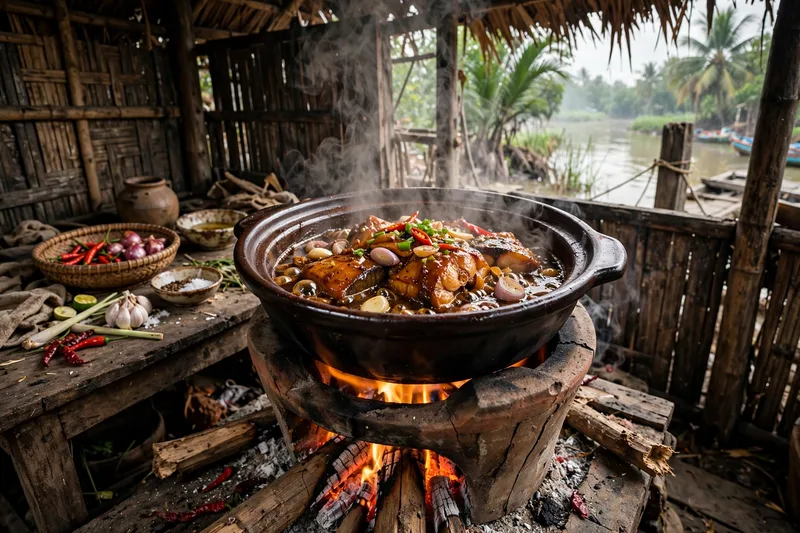
The best ca kho to is eaten within sight of the river that produced it. In My Tho and Can Tho, riverside restaurants serve the claypot still bubbling, carried straight from the flame to your table. The fish is fresher, the portions are generous, and the setting, wooden houses on stilts over brown water, completes the dish.
In Can Tho, combine it with a dawn visit to the Cai Rang floating market, then eat the claypot for lunch when the boats return. In My Tho, the classic day trip pairing is a morning boat ride through the canals followed by ca kho to at a riverside garden restaurant. Our Mekong Delta transport guide covers how to reach both towns.
Order it as part of a Delta spread: ca kho to plus canh chua, the sour tamarind soup, plus a plate of rau muong, morning glory greens. This trio is the Delta's holy trinity, and no restaurant down there will look surprised when you order all three.
Timing your Delta visit around lunch is the pro move. The claypots come off the flame for the midday crowd, and the riverside restaurants are at their liveliest between 11 am and 1 pm. Arrive then, order the full spread, and let the afternoon heat pass with tea and river watching.
You do not need to leave the city. Saigon's southern style restaurants, especially the com nieu claypot rice houses, serve excellent ca kho to daily. These restaurants specialize in the home style cooking of the south, and the claypot fish is usually the menu's proudest item.
Look for restaurants advertising mon ngon mien Tay, tasty western region dishes, or com gia dinh, family meal style. A proper place will bring the claypot to the table still simmering, with a side of steamed rice, pickled vegetables, and fresh herbs. Expect to pay 80,000 to 150,000 VND (about $3.20 to $6) for a pot that feeds two.
For the full experience, order it the southern way: with canh chua to start and che for dessert. Many of these restaurants also do a fine com tam at lunch, making them reliable all day stops for southern flavors.
In Saigon, the lunch hour is when com nieu restaurants shine. Office workers pack the tables from 11:30 am, the claypots turn over fast, and everything tastes of fresh fire. Dinner works too, but lunch is when the city's southern kitchens cook at full confidence.
Technique matters. Spoon rice into your bowl, ladle the glossy sauce over it first, then add a chunk of fish. The sauce is the soul of the dish, so be generous with it. Tuck in fresh herbs and pickled mustard greens between bites to cut the richness.
Eat it communally. The claypot sits in the center, everyone serves themselves, and the last spoonfuls of caramelized sauce at the bottom are fought over politely. This is not delicate food, it is generous food, and it rewards appetite.
One warning: the caramelized sauce is intensely flavored, and a whole pot between two is plenty. Balance it with vegetables and soup, drink tea rather than anything sweet, and save room. In the Delta, dessert is never far behind.
Leftovers, if such a thing exists, improve overnight. The fish absorbs more caramel as it rests, and reheated ca kho to the next day is a legitimate breakfast over rice. Few travelers encounter this situation, because few travelers leave any, but the principle stands.
Mekong catfish, usually ca basa or ca tra. The firm flesh holds up to long braising in the claypot.
120,000 to 250,000 VND (about $4.80 to $10) for two at Delta restaurants, or 80,000 to 150,000 VND in Saigon.
Riverside restaurants in My Tho or Can Tho, eaten as part of a Delta trip. Saigon's com nieu restaurants are a strong backup.
Steamed rice, canh chua sour tamarind soup, and rau muong morning glory: the Delta's classic trio.
 Keep exploring
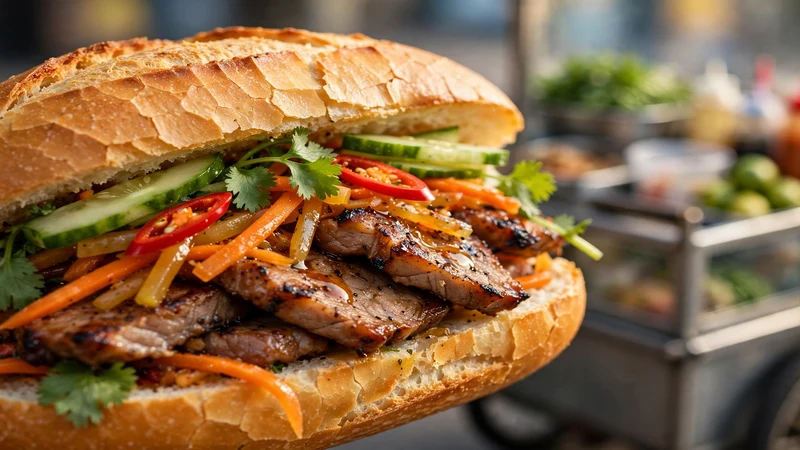
From street carts to a UNESCO heritage nomination, Saigon banh mi is the street food you cannot skip. Crispy crust, rich
 Keep exploring
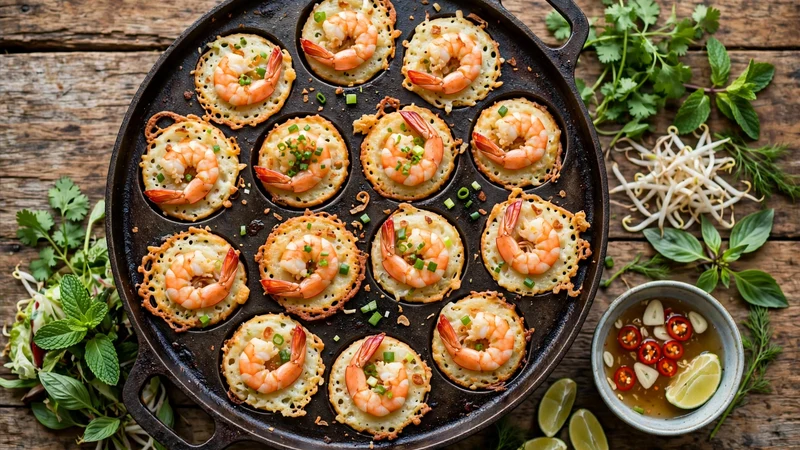
Tiny golden pancakes from a sizzling cast iron mold, topped with whole shrimp and wrapped in herbs. A plate of 10 to 15
 Keep exploring
Bitter robusta coffee brewed through a cloth filter, sweetened with condensed milk, poured over ice. The drink that defi
