Tipping in Vietnam sits in a comfortable middle ground: not obligatory the way it is in the United States, but genuinely appreciated and increasingly expected in tourist facing service. Get the amounts right and you will be generous without being extravagant. Pair that with a little temple etiquette and a few social habits, and you will move through the country with the easy confidence of someone who did their homework.
AI illustration
Start with the baseline: Vietnam has no strong tipping tradition, and nobody will chase you for not tipping. In local eateries and street stalls, tipping is rare and unnecessary, though leaving small change is a kind gesture. In mid range and upscale restaurants, especially those with a service charge already on the bill, a tip of 5 to 10 percent or a flat 50,000 to 100,000 VND (about $2 to $4) for good service is generous and always noticed.
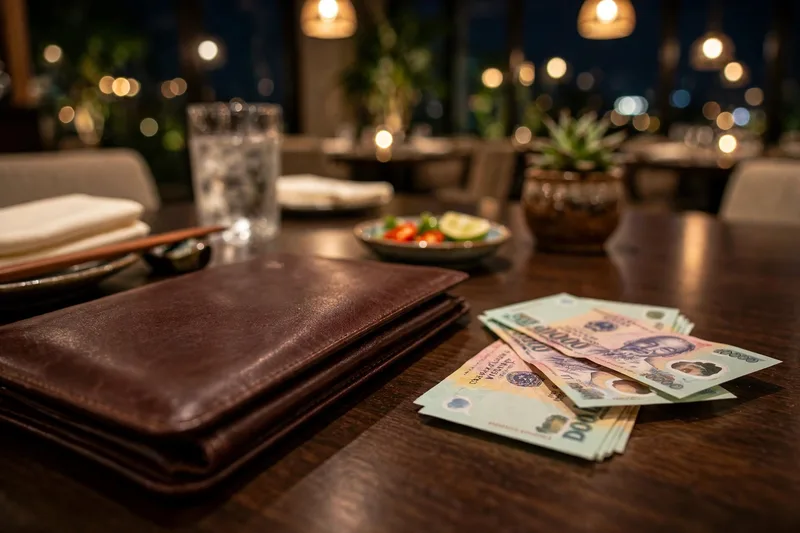
Hotels follow a simple pattern. Porters appreciate 20,000 to 50,000 VND (about $1 to $2) per bag, and housekeeping welcomes a similar amount left on the pillow with a thank you note, since cash left elsewhere may not be taken. Tour guides on day trips usually receive 100,000 to 200,000 VND (about $4 to $8) per person for a full day if the guiding was good, given directly at the end. Spa and massage therapists expect 50,000 to 100,000 VND on top of the treatment price.
Tip in Vietnamese dong, not foreign currency, since small foreign bills are a hassle to exchange. Hand the tip directly to the person when you can, rather than leaving it on a shared counter. And never feel pressured by anyone who demands a tip aggressively, that behavior is uncommon and not the norm, so a polite smile and walking on is the right response.
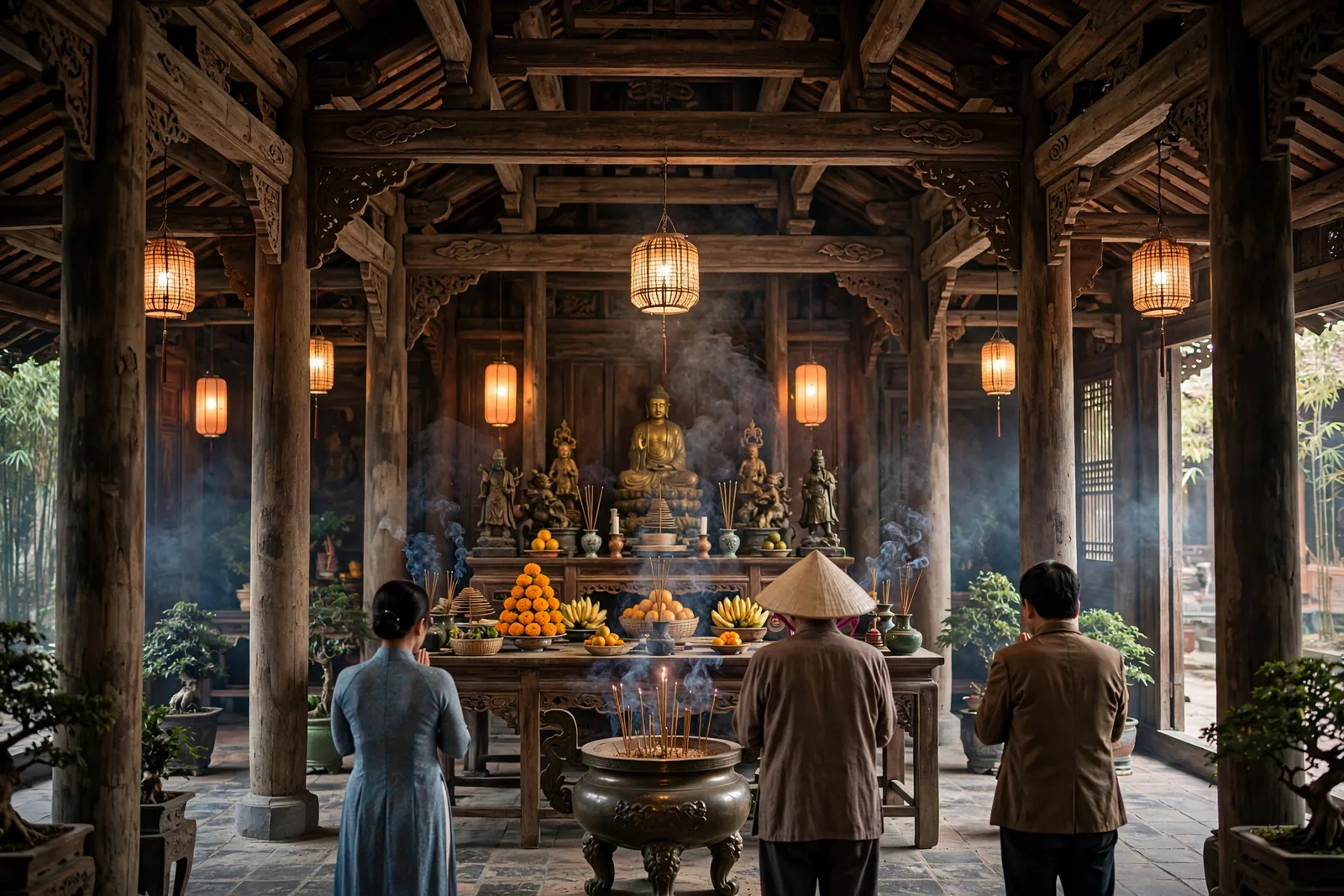
Vietnam’s pagodas and temples are living places of worship, not museums, so a little reverence goes a long way. Dress modestly: cover shoulders and knees, remove hats, and slip off shoes before stepping onto the inner sanctuary floor where required. Speak quietly, switch your phone to silent, and never climb on altars or statues for a photo, a rule that should be obvious but apparently needs stating.
Incense is central to worship. You may light sticks and place them in the burners, holding them with both hands and bowing slightly, but watch what locals do first and follow their lead. Photography is usually fine in courtyards and halls but avoid flash near altars, and never pose with your back to a Buddha statue for a selfie. If monks are present, women should avoid physical contact, and everyone should let them pass with a small nod.
Donation boxes near the entrance accept small contributions, 10,000 to 50,000 VND (about $0.40 to $2) is typical, and the money supports the temple’s upkeep. You may also see people burning votive paper or releasing birds; observe respectfully without feeling obliged to join in. The solemn sites of recent history deserve the same quiet respect, so read our notes on behavior at memorials in the War Remnants Museum guide before visiting.
A few habits mark you as a considerate guest. Use both hands, or the right hand, when giving and receiving, especially with money, business cards, and gifts. Remove shoes when entering someone’s home and many small shops, look for the pile of shoes at the door as your cue. Keep your feet off furniture and never point the soles of your feet at people or altars, since feet are considered the lowest and least clean part of the body.
The head is the opposite: considered sacred, so avoid patting children on the head, however cute they are. Chopstick etiquette matters at shared meals: never stick chopsticks upright in a rice bowl, since it resembles incense offerings for the dead, and use the communal serving spoons rather than your own chopsticks to take food from shared dishes. Wait for the eldest or the host to start eating before you dig in.
In public, keep voices moderate on transport, dress reasonably when leaving the beach, and ask before photographing people, especially older villagers and monks. A smile and a gestured camera question gets a yes far more often than a sneaked shot. Public displays of affection are best kept discreet outside the big city bar districts.
Bargaining deserves its own etiquette note because visitors get it wrong most often here. Haggling is expected in markets and with street vendors, but not in malls, restaurants, or anywhere with price tags. Open at around half to two thirds of the asking price, keep smiling, and treat it as a friendly game. The moment either side stops enjoying it, the deal is done, one way or the other.
Handle money with a minimum of respect: do not crumple bills aggressively or toss them on the counter. Vietnamese dong comes in polymer notes that survive rain and sweat, and the larger denominations look similar at a glance, so count your change carefully, especially the 500,000 and 20,000 notes which confuse newcomers. Our Saigon shopping guide lists fair price ranges so you can bargain from knowledge instead of guesswork.
Finally, remember that face matters enormously. Never raise your voice, mock, or publicly correct someone who is helping you, even when a mistake is genuinely theirs. Patience and humor resolve nearly every travel friction in Vietnam, from wrong orders to missed turns, while anger resolves nothing and embarrasses everyone present.
No. It is appreciated but not obligatory, and no one in normal service settings will demand it. Tip for genuinely good service and skip it without guilt elsewhere.
Around 100,000 to 200,000 VND (about $4 to $8) per person for a full day tour with a good guide, handed over directly at the end of the day.
Knee length shorts are usually acceptable, but very short shorts, tank tops, and beachwear are not. Carry a light scarf to cover shoulders when needed.
Only in markets and with street vendors. Fixed price shops, malls, restaurants, and hotels are not bargaining venues.
 Keep exploring
Vung Tau sits about 100 km from Ho Chi Minh City. Compare the expressway, the coastal road, and the ferry, and pick the
 Keep exploring
From walkable District 1 to buses, ride hailing apps, and coaches to the coast, here is how to move through the new Ho C
 Keep exploring
Vietnam visa rules for 2026: who gets visa free entry, how the 90 day e-visa works, official costs, and mistakes that ge
