Vietnam's visa system is generous but unforgiving of sloppy paperwork. Get the e-visa right and you walk through immigration in minutes; get it wrong and you are rebooking flights from the departure hall. This guide covers the 2026 rules: exemptions, the e-visa process, costs, and the errors to avoid.

AI illustration
Vietnam exempts a long list of nationalities from visas entirely. Citizens of the UK, France, Germany, Spain, Italy, Japan, South Korea, and several other countries get 45 days visa free, no application needed. Most ASEAN neighbors get 30 days, and a handful of other nationalities have bilateral deals worth checking.
The exemption is genuinely hassle free: you arrive, get stamped, and walk out. It cannot be extended in country in most cases, so if your plans might stretch past the limit, apply for an e-visa instead of gambling on an extension that may not come.
Rules shift, so verify your nationality's status on the official immigration portal before you fly. Exemption lists have expanded several times in recent years, and the trend is toward more openness, not less. When you land, our airport arrival guide takes it from there.
Children and infants need their own e-visa or exemption; there is no piggybacking on a parent's paperwork. Apply for the whole family in one session to keep the entry points and dates consistent, and carry printed copies for each traveler.
Everyone else uses the e-visa, and it is a good system. Since the 2023 upgrade it covers all nationalities, allows stays up to 90 days, and comes in single or multiple entry versions. Apply on the official immigration portal, never through a random agency site that charges triple.
The application needs a passport scan, a recent portrait photo with a plain background, your entry and exit points, and your intended dates. The critical detail: every name, number, and date must match your passport exactly, including the order of your given names. Mismatches are the number one cause of rejections.
Pay $25 for single entry or $50 for multiple entry by card, then wait 3 to 5 working days. Print the e-visa letter and carry it with your passport; airlines check it at check in and immigration collects it on arrival. Apply at least a week ahead, two if your trip falls on a Vietnamese public holiday.
Save the e-visa approval email and the PDF on your phone as well as on paper. Phones die and bags get lost, but immigration only cares that you can produce the letter. A screenshot in your camera roll has saved many trips at the check in counter.
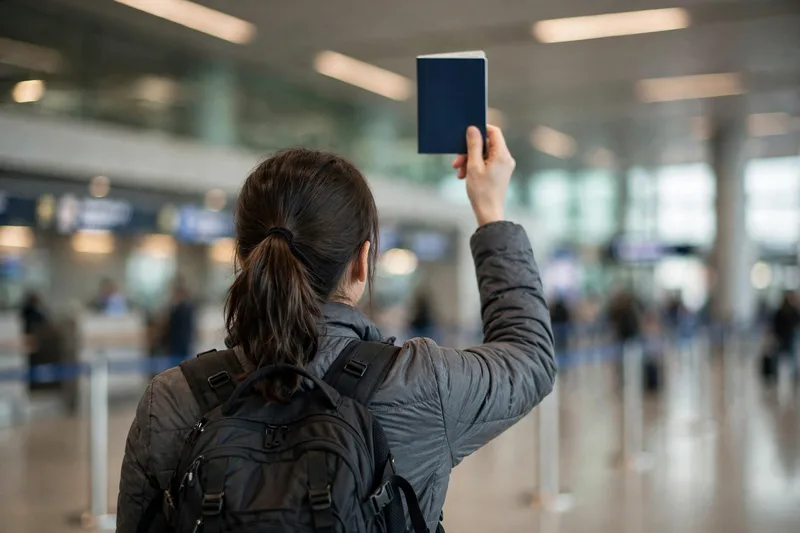
The classic error is the portrait photo: wrong background, sunglasses, or a scan of a scan. Use a clean digital photo, plain white background, no headwear except for religious reasons. The system is automated and unforgiving about image quality.
Next is the entry point trap. Your e-visa lists a specific port of entry, and you must arrive through it. Flying into Hanoi on a visa that says Ho Chi Minh City means a denied boarding at best. Double check the airport code before you submit, especially if your itinerary changed after applying.
Finally, beware the unofficial sites. Dozens of agency websites mimic the official portal and charge $80 or more for a $25 visa. They are not scams exactly, they do file the application, but you are paying a large markup for nothing. The official portal is the only one you need, and staying connected on arrival lets you pull up your e-visa from your phone as backup.
Processing slows around Tet and other public holidays, when immigration offices run skeleton staff. If your travel dates touch the lunar new year, apply three weeks ahead instead of one. The system does not pause for your flight schedule.
Extending a tourist e-visa inside Vietnam is difficult and unreliable. The official line changes frequently, and in practice most travelers who want more time do a border run to Cambodia or Laos and re-enter on a new e-visa. Plan your duration honestly at the application stage instead.
Overstaying is expensive and stressful. Fines accumulate daily, and even a short overstay can mean hours at the immigration office and a black mark for future visits. If your plans change, visit an immigration office before your visa expires, not after.
One bright spot: Phu Quoc island offers 30 days visa free for all nationalities arriving directly by air or sea, no e-visa needed. It is a useful loophole for beach focused trips, though most visitors combine it with the mainland and need the e-visa anyway.
If you plan to work, study, or stay long term, the tourist e-visa is the wrong tool. Work permits, student visas, and business visas follow separate processes through sponsors and embassies. Entering on a tourist visa to work is illegal and enforced.
$25 for single entry, $50 for multiple entry, valid up to 90 days. Apply on the official immigration portal.
The UK, France, Germany, Spain, Italy, Japan, South Korea, and others get 45 days. Most ASEAN citizens get 30 days. Verify before flying.
Officially 3 to 5 working days. Apply at least a week before travel.
Extensions are difficult and unreliable. Most travelers do a border run and re-enter on a new e-visa.
 Keep exploring
Vung Tau sits about 100 km from Ho Chi Minh City. Compare the expressway, the coastal road, and the ferry, and pick the
 Keep exploring
From walkable District 1 to buses, ride hailing apps, and coaches to the coast, here is how to move through the new Ho C
 Keep exploring
Staying connected in Vietnam: tourist SIMs, eSIMs, and wifi explained. What mobile data costs, where to buy, and which n
