Tan Son Nhat is Vietnam's busiest airport and your front door to Saigon. It is compact enough to navigate in minutes and chaotic enough to punish the unprepared. Follow this first hour plan and you will be at your hotel, connected and fed, while others are still arguing with taxi drivers.
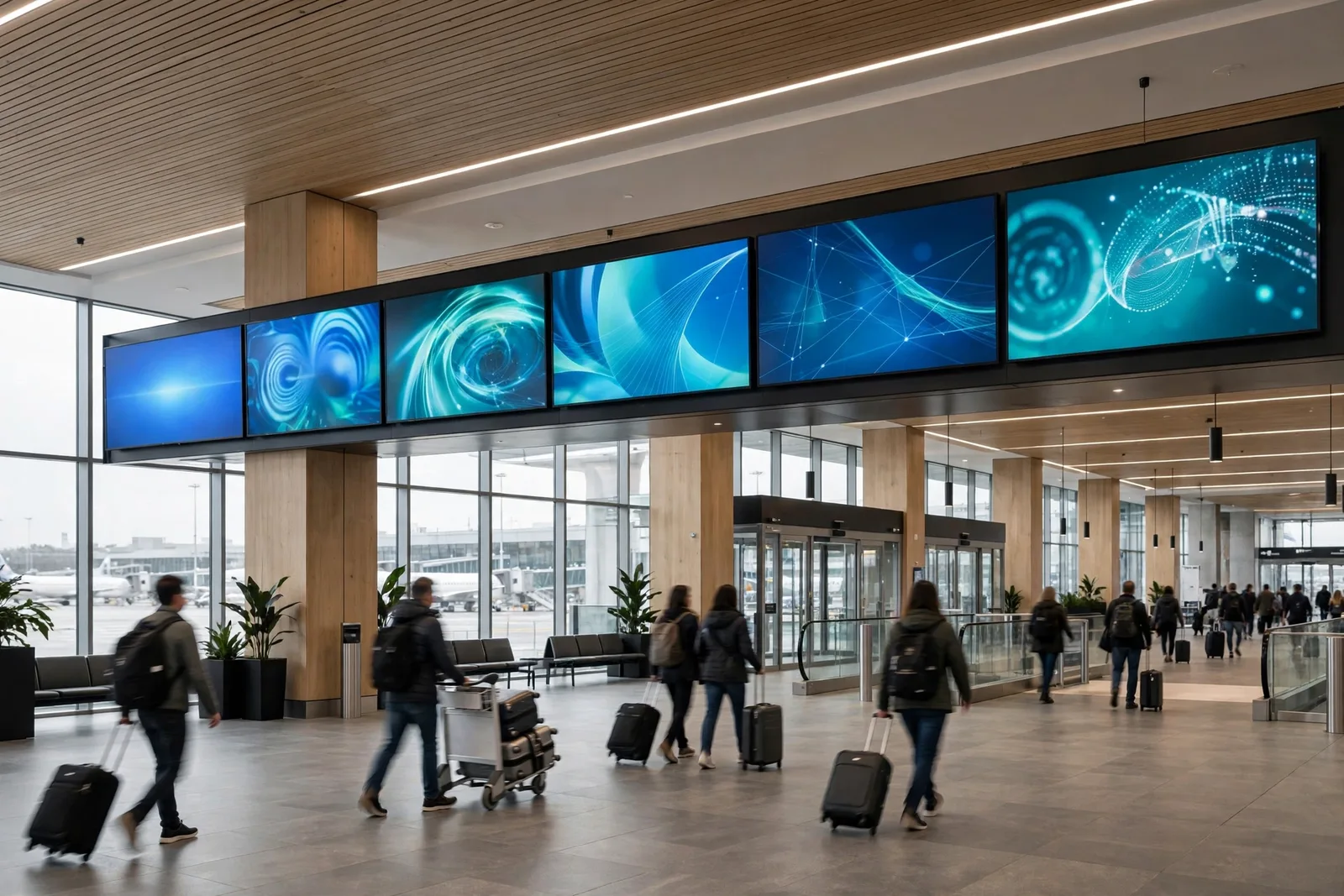
AI illustration
Tan Son Nhat's terminal shuffle confuses even returning visitors. Terminal 2 handles international flights. Terminal 1, the old domestic terminal, and Terminal 3, the large new domestic terminal that opened in 2025, handle domestic flights. International arrivals always come through Terminal 2, so most readers can ignore the rest.
The terminals sit close together, connected by walkways and a short shuttle. If you are connecting to a domestic flight, follow the transfer signs and allow at least two hours between flights; you will clear immigration, collect bags, and recheck at the domestic terminal.
Immigration lines move in waves. Have your passport, printed e-visa letter, and arrival form ready before you reach the counters. The process is straightforward if your visa paperwork is correct, and officers rarely ask questions beyond the basics.
Free wifi covers the terminals, and it is decent enough for messaging your hotel or pulling up your e-visa. Connect while you wait for bags so you are already online when you reach the SIM counters. The network name is obvious; ask staff if you cannot find it.
Do not leave the arrivals hall unconnected. The SIM counters sit right after customs, staffed by all three major networks with English speaking sellers. Ten minutes and 150,000 to 350,000 VND (about $6 to $14) buys a 30 day tourist package with generous data. Our SIM guide covers which network to choose.
Hit an ATM before you exit. The arrivals hall has machines from major banks, and withdrawing 2 to 5 million VND covers your first day comfortably: transport, SIM, food, and buffer. Decline the machine's currency conversion and let your home bank handle it.
With data and cash sorted, everything else gets easy. You can call up Grab, message your hotel, and pull up maps while you wait for your ride. Travelers who skip this step spend their first hour hunting wifi and exact change instead.
Money changers in the arrivals hall offer poor rates compared to ATMs. Change only a small emergency amount if you must, then use ATMs for the rest. The rate gap is several percent, which adds up on a long trip.
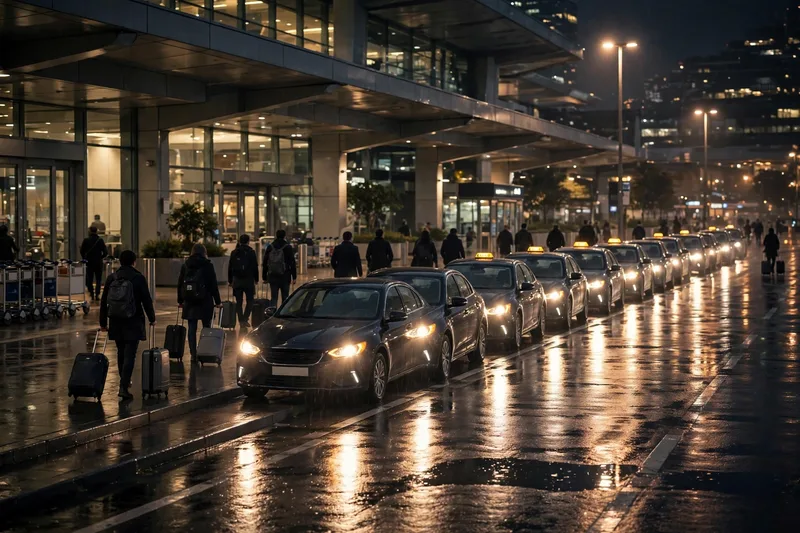
GrabCar is the default: 120,000 to 200,000 VND (about $4.80 to $8) to District 1, fixed price, no negotiation, 20 to 40 minutes depending on traffic. Follow the signs to the designated ride hailing pickup area, match your driver's plate in the app, and confirm the plate before getting in.
Traditional taxis queue outside arrivals. Use only Mai Linh or Vinasun, insist on the meter, and ignore the touts inside the hall offering fixed price rides; their prices run double. A metered taxi to District 1 costs roughly the same as Grab when traffic is light.
The public bus is the budget play: routes 109 and 152 connect the airport to the city center for under 20,000 VND. They run limited hours and stop by around 9 pm, so late arrivals should default to Grab. With luggage and jet lag, most visitors find the small premium for a car well spent.
If your hotel offers airport pickup, take it for late night arrivals. The premium over Grab is small, the driver waits with your name, and after a long flight the zero decision arrival is worth every dong. Confirm the price in writing before you fly.
Minutes 0 to 20: clear immigration and collect your bags. Minutes 20 to 35: buy your SIM and withdraw cash in the arrivals hall. Minutes 35 to 50: order your Grab or join the taxi queue, and ride into the city. The airport sits only 7 kilometers from District 1, so the ride is short when traffic cooperates.
At the hotel, confirm your room, shower, and change into street clothes. Then eat: your body clock is confused and Saigon's food is the fastest cure. A bowl of pho or a banh mi within the first two hours sets the trip's tone correctly.
Resist the nap unless you must. Walk the block around your hotel, find a cafe, and stay up until at least 9 pm local time. One disciplined evening beats two days of jet lag, and Saigon's night streets are the gentlest possible introduction.
Departure deserves a note too. Arrive three hours before international flights; the check in halls get chaotic and immigration lines spike unpredictably. The domestic terminals need two hours. Tan Son Nhat rewards the early and punishes the optimistic.
Terminal 2 handles international flights. Terminals 1 and 3 are domestic, with Terminal 3 the new facility opened in 2025.
GrabCar costs 120,000 to 200,000 VND (about $4.80 to $8). Metered Mai Linh or Vinasun taxis cost similar. Buses 109 and 152 run daytime only.
Yes. Counters for all three networks sit in the arrivals hall after customs. Expect 150,000 to 350,000 VND for a 30 day tourist package.
About 7 kilometers to District 1, a 20 to 40 minute ride depending on traffic.
 Keep exploring
Vung Tau sits about 100 km from Ho Chi Minh City. Compare the expressway, the coastal road, and the ferry, and pick the
 Keep exploring
From walkable District 1 to buses, ride hailing apps, and coaches to the coast, here is how to move through the new Ho C
 Keep exploring
Vietnam visa rules for 2026: who gets visa free entry, how the 90 day e-visa works, official costs, and mistakes that ge
