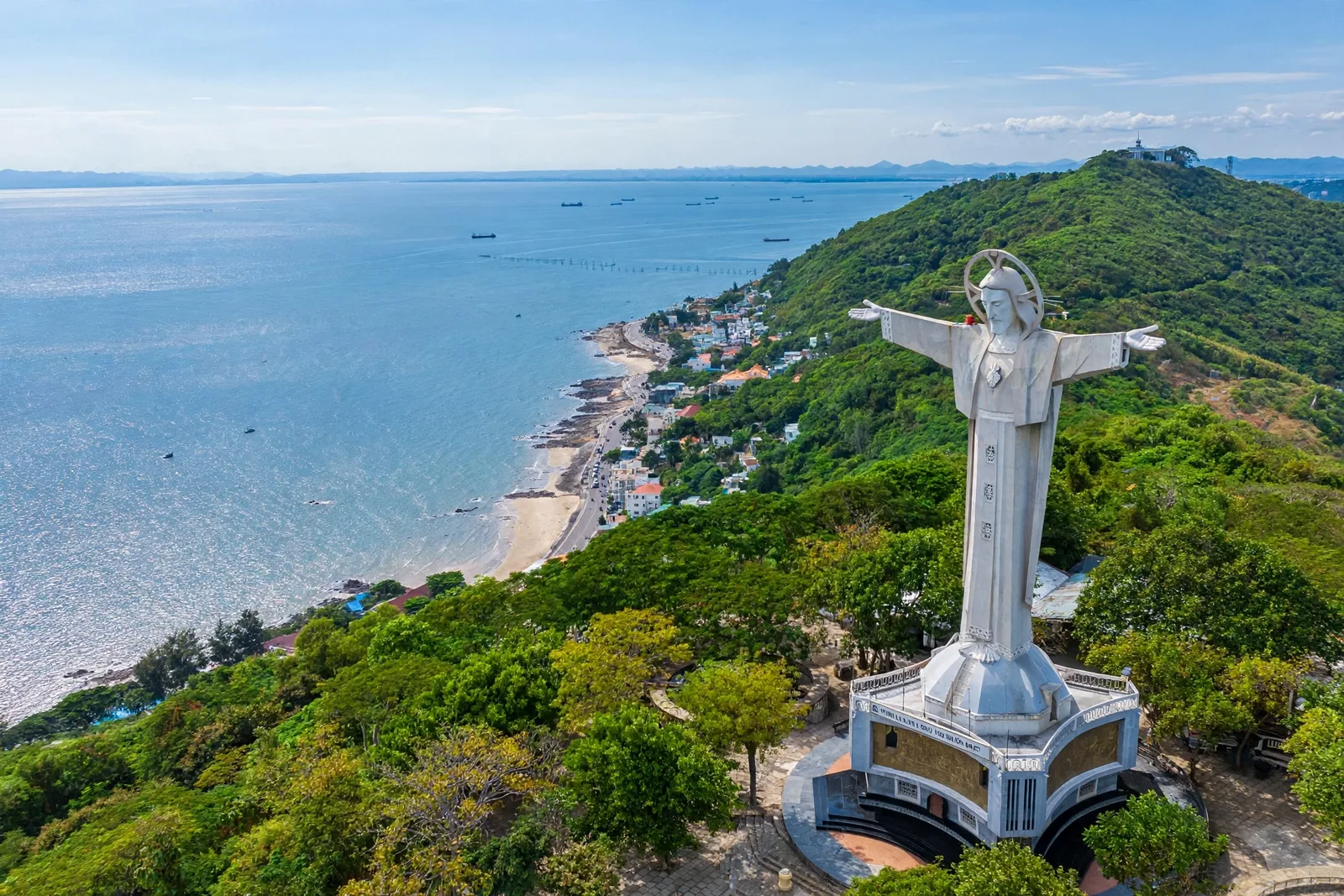
Vung Tau best views are earned on foot. Small Mountain rises between the two beaches, crowned by a French lighthouse at one end and a 32 meter Christ statue at the other, with the whole coastline spread below.
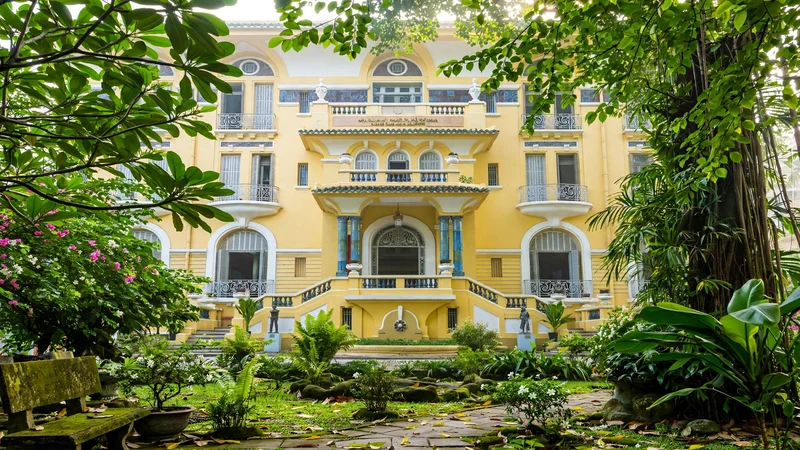
AI illustration
Small Mountain, Nui Nho, is the rocky hill that gives Vung Tau its shape, rising 170 meters between the sheltered Front Beach and the open Back Beach. Two very different landmarks share it: a working lighthouse built by the French, and one of the tallest Christ statues in Asia. Together they make the essential Vung Tau morning.
The climbs are real but manageable. The lighthouse road winds up through trees and is rideable by motorbike, while the Christ statue demands about 800 stone steps on foot. Do them in the cool of the morning, in that order, and you will be back at sea level by lunch with the city best panoramas in your camera.
Both sites are free, both reward early arrival, and both show you a Vung Tau that the beachfront crowds miss: quiet, green and lifted above the heat.
The mountain roads are paved and well used, making an early morning walk safe and pleasant. Local residents use the lighthouse road for daily exercise, and you will share the sunrise with joggers and tai chi groups on the terraces.
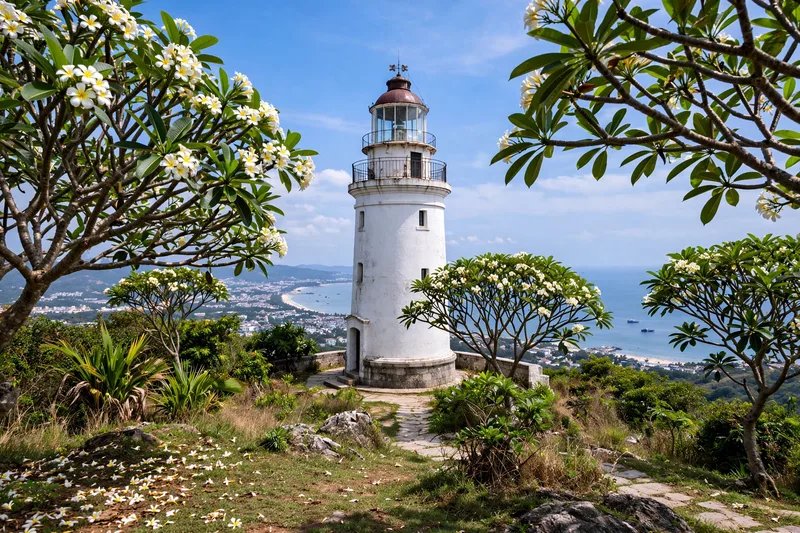
The Vung Tau lighthouse was first built by the French in 1862 and moved to its current summit position in 1913. The white tower stands 18 meters tall at 170 meters above the sea, and though the light itself is automated now, the keeper cottages and gardens keep their colonial charm.
You cannot always climb the tower interior, but the grounds are the attraction: frangipani trees, old stone walls, and a terrace with sweeping views over the city, the bay and the offshore oil rigs on clear days. It is a favorite sunrise spot for photographers and a peaceful break from the beach scene.
Ride or walk up the paved road from the Front Beach side. The round trip on foot takes about an hour at a gentle pace. Small cafes near the top sell iced coffee with a view, which tastes better for the climb.
History buffs can continue along the ridge to the old cannon fort, where massive early 20th century coastal guns still point out to sea. The emplacements, built by the French and later used through the wars, are slowly being reclaimed by the forest. The site is free, atmospheric and usually empty, with some of the best views on the mountain.
At the southern end of the mountain stands the Christ the King statue: 32 meters tall with arms stretching 18.4 meters wide, completed in the early 1990s and among the largest of its kind in Asia. The climb starts at the gate on Ha Long road and rises about 800 shaded stone steps, lined with rest stops, small shrines and drink stalls run by local nuns.
The real prize is inside the statue. A narrow 133 step spiral staircase climbs through the body to a viewing platform in the shoulders, where only a few visitors at a time can stand with the wind and the whole coastline spread below. Entry is free; you leave shoes and bags at the base before entering.
Respect the dress code: shoulders and knees covered, no hats inside, quiet voices. The site closes at 17:00 with last entry around 16:30, and it shuts in heavy rain. Weekday mornings are calmest; weekends bring pilgrim groups.
At the base of the statue, take time for the prayer garden and the reliefs carved into the pedestal, including scenes of the Last Supper. The small shrine of Our Lady nearby and the frames where visitors leave prayers add to the pilgrimage atmosphere. Many Vietnamese visitors come here for faith first and views second, so move through the sacred areas with quiet respect.
Start at 7:00 with the lighthouse for sunrise views, descend for a banh mi breakfast, then tackle the Christ statue steps before the heat builds. The two sites connect via the mountain roads, and a full loop takes 3 to 4 hours including rests and photo stops.
From the mountain, continue to Front Beach for lunch or to Hon Ba island if the tide is right. Our getting to Vung Tau guide covers the trip from Ho Chi Minh City, about 2 hours each way.
Wear proper walking shoes, bring water and sun protection, and carry small cash for drinks and parking. The steps are well kept but steep in places, so take the rest stops: the nuns stalls sell the coldest water on the mountain.
If mornings are not your thing, late afternoon works too: climb for the golden hour, watch the sun drop behind the city from the statue shoulders, and descend as the lights come on. Just confirm the 17:00 closing and start down by 16:00 to be safe.
No. Both the lighthouse grounds and the Christ statue are free to visit.
Yes. A 133 step spiral staircase leads to a viewing platform in the shoulders.
About 30 to 45 minutes up at a steady pace, with rest stops along the way.
The statue site opens 7:00 to 17:00 daily. The lighthouse area is accessible all day.
 Keep exploring
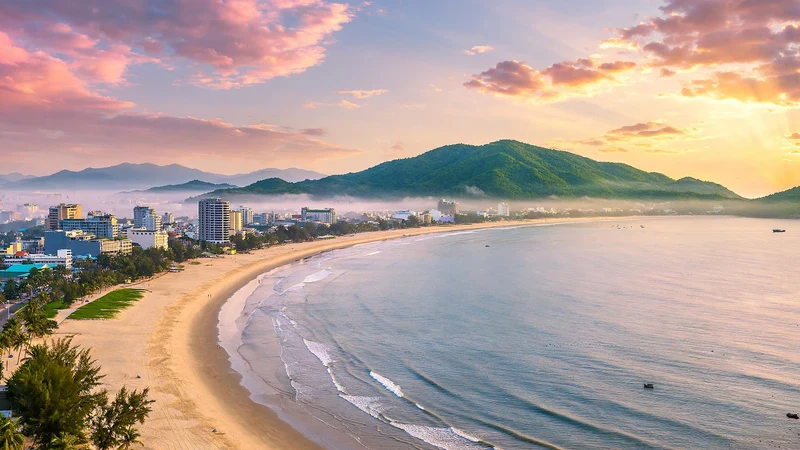
Back Beach (Bai Thuy Van) runs nearly 8 km along Vung Tau, about 2 hours from Ho Chi Minh City. Free entry, gentle surf,
 Keep exploring
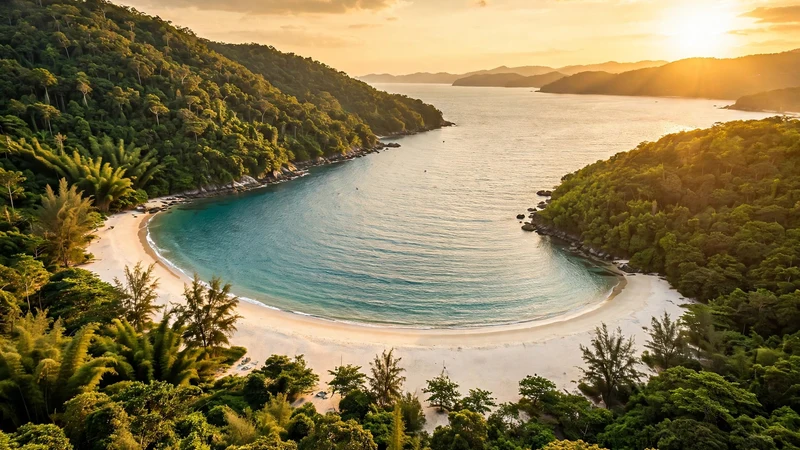
Dam Trau Beach sits 12 km from Con Dao town, backed by old forest and fronted by coral just meters from shore. Free entr
 Keep exploring
Founded in 1975, the War Remnants Museum documents the Vietnam War through aircraft, tanks, and thousands of photographs
