Packing for Saigon is simpler than you think and easier to get wrong than you expect. The city is hot all year, the rain arrives on schedule, and the air conditioning is arctic. Here is the weather month by month and exactly what to put in your bag.
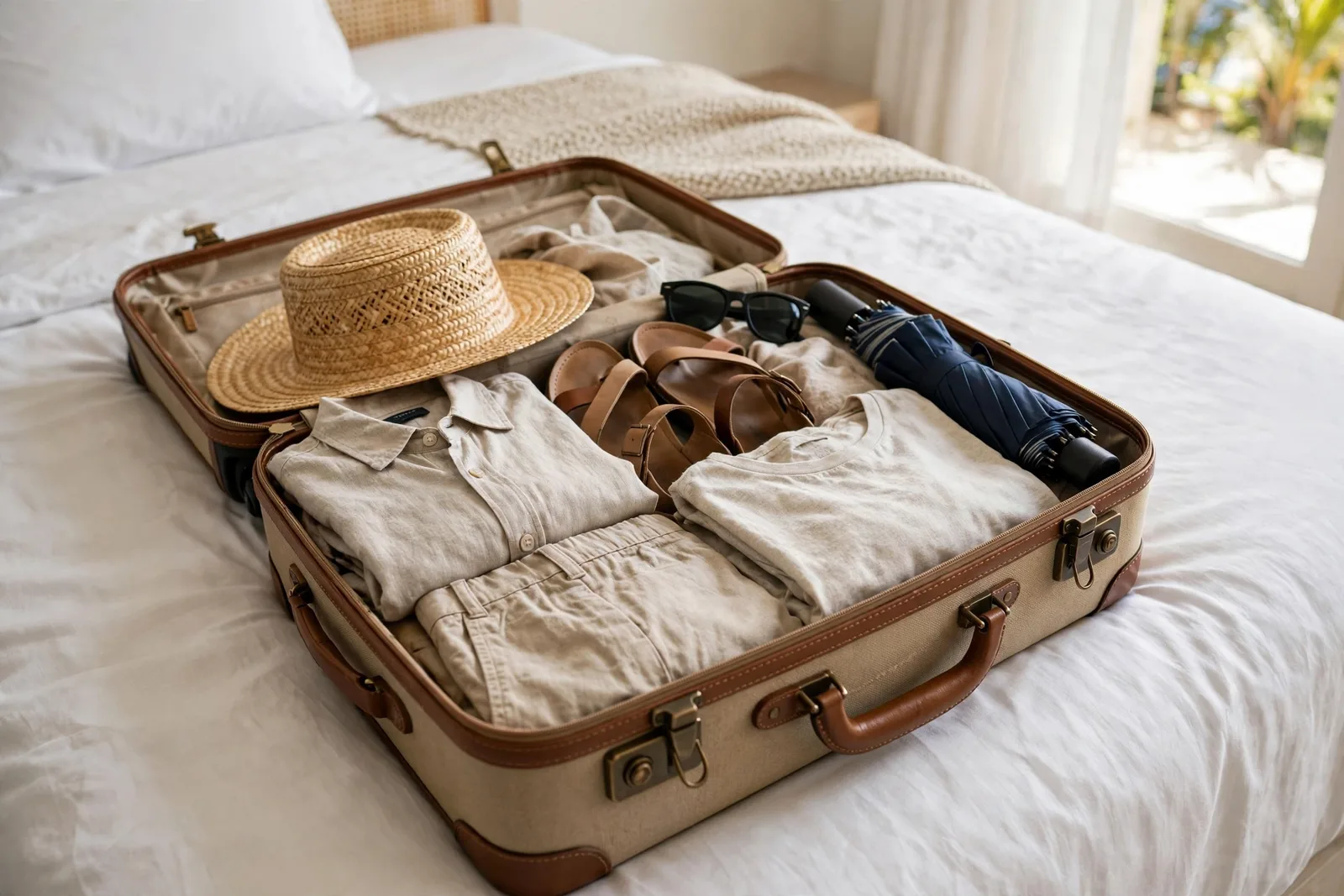
AI illustration
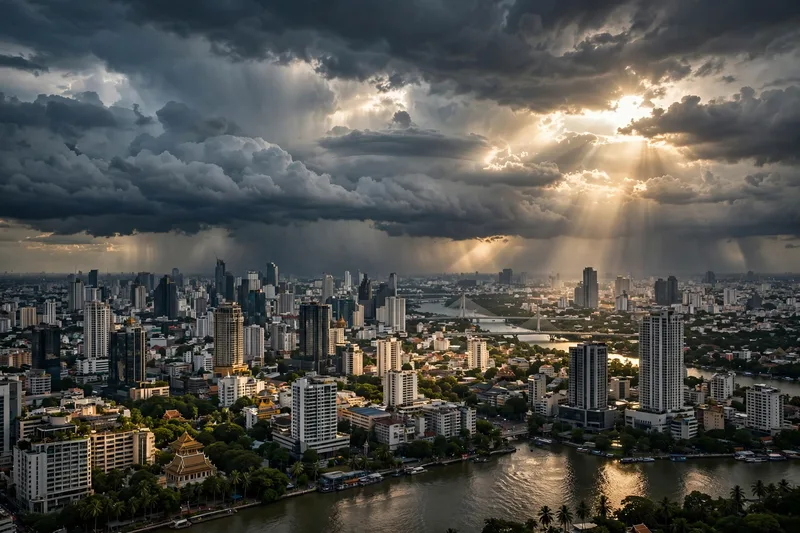
Saigon does not do winter. Temperatures hover between 25 and 35 degrees Celsius all year, with humidity that makes shade feel like a personal favor. The dry season, November to April, brings blue skies, lower humidity, and the city's best weather. The rainy season, May to October, brings dramatic afternoon downpours that flood streets for an hour and vanish.
The rain is not the all day drizzle of temperate climates. It arrives like an event: black clouds, a furious hour of water, then steam rising off the pavement as the sun returns. Locals barely break stride, pulling on ponchos and carrying on. You should do the same.
March to May is the furnace. Temperatures push past 35 degrees, the air goes still, and sightseeing becomes a tactical exercise in shade and air conditioning. If you visit then, plan indoor attractions for midday and save the streets for morning and evening.
Humidity is the invisible factor. At 80 percent and above, sweat does not evaporate, laundry does not dry overnight, and cameras fog when moving between air conditioning and street. Pack quick dry everything, seal electronics in dry bags, and give your camera ten minutes to acclimatize before shooting. A packable rain cover for the daypack itself is worth the few dollars; umbrellas protect you, not your bag. Keep the cover in the daypack's front pocket so it is always handy.
January and February: the sweet spot. Warm days around 30 degrees, cool evenings near 22, low rain. Tet, the lunar new year, falls in this window and transforms the city, book ahead. March to May: building heat, peaking in April. Hydrate aggressively and slow down.
June to August: full rainy season. Expect a downpour most afternoons, usually 3 to 5 pm, with hot sunny mornings. Sightseeing works fine if you front load the day. September and October: the wettest months, with occasional multi day rain and rare flooding in low streets.
November and December: the turnaround. Rains retreat, humidity drops, and evenings turn genuinely pleasant. December nights can dip to 21 degrees, which feels chilly after a week of acclimatization and sends locals reaching for jackets.
Tet deserves special packing attention. The lunar new year shuts much of the city for a week, ATMs run dry, and transport books out. If you visit during Tet, carry extra cash, book everything ahead, and pack patience along with the sunscreen.
Clothing: light, breathable fabrics in layers. Linen and quick dry synthetics beat cotton, which stays damp. Bring twice as many tops as you think you need; you will change midday. One light rain shell or a compact umbrella handles the downpours, and a thin long sleeve layer covers both temple visits and freezing malls.
Feet: broken in walking sandals for daily use plus closed walking shoes for the Cu Chi Tunnels and rougher day trips. Streets are uneven and puddles are deep in rainy season, so waterproof beats fashionable.
Protection: high SPF sunscreen, sunglasses, and a hat or cap. The equatorial sun burns fast, even on cloudy days. Insect repellent for evenings, especially if you are heading to the Mekong Delta or anywhere near water. A dry bag or ziplock for your phone during downpours.
A small daypack is the most useful thing you will carry. It holds water, sunscreen, the umbrella, and the power bank for long sightseeing days, and it keeps your hands free for street food. Choose one that zips fully and sits snug in crowds.
Leave the heavy wardrobe at home. Jeans, sweaters, and anything that needs ironing will stay in your bag. One pair of long trousers covers temples and nicer restaurants; the rest of the time shorts rule.
Do not overpack toiletries or medicines basics. Pharmacies are excellent and cheap, and most international brands are available. Do bring any prescription medication with documentation, plus rehydration salts, which are worth their weight during the hot months.
If your trip continues north or up to Da Lat, add one warm layer. Our Da Lat guide explains why: the highlands drop to 15 degrees at night, and Hanoi in winter can hit 10. Saigon's heat makes the contrast shocking, so the layer earns its space.
Laundry is cheap and fast in Saigon, with hotel and street services returning clothes in 24 hours for a few dollars. Pack for five days regardless of trip length and wash midway. Most hotels offer same day service if you drop clothes at breakfast. Your bag stays light and your clothes stay fresh.
May to October, with afternoon downpours most days. September and October are the wettest months.
December to February: warm days, cooler evenings, and little rain. Tet falls in this window, so book ahead.
25 to 35 degrees year round, peaking above 35 in March to May. Humidity makes it feel hotter.
Not for Saigon, but yes for Da Lat highlands or northern Vietnam in winter. Pack one warm layer for multi region trips.
 Keep exploring
Vung Tau sits about 100 km from Ho Chi Minh City. Compare the expressway, the coastal road, and the ferry, and pick the
 Keep exploring
From walkable District 1 to buses, ride hailing apps, and coaches to the coast, here is how to move through the new Ho C
 Keep exploring
Vietnam visa rules for 2026: who gets visa free entry, how the 90 day e-visa works, official costs, and mistakes that ge
